Paneer Nutrition: Benefits, Facts, Calories, and Health Value

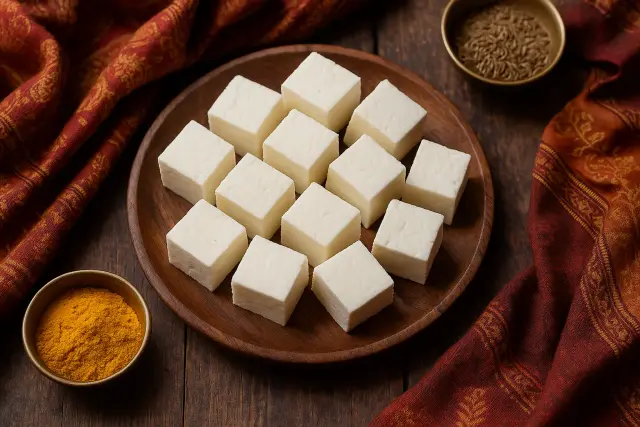
Paneer is one of the most popular dairy foods in Indian cuisine and is enjoyed by people of different age groups. Made from fresh milk by separating curd and whey, paneer is a rich source of essential nutrients that support overall health. It is commonly used in dishes like curries, salads, snacks, and protein-rich meals. Understanding paneer nutrition can help people make better food choices and include this versatile ingredient in a balanced diet. Paneer provides important nutrients such as protein, calcium, phosphorus, healthy fats, and several vitamins that contribute to muscle health, bone strength, and energy production. Whether you are a vegetarian looking for protein sources or someone trying to maintain a nutritious eating pattern, paneer can be a valuable addition to daily meals when consumed in the right quantity.
What Is Paneer and How Is It Made?
Paneer is a fresh, non-aged cheese prepared mainly from milk. Unlike many other types of cheese, paneer does not require fermentation or long aging processes. It is usually made by heating milk and adding an acidic ingredient such as lemon juice or vinegar, which causes the milk proteins to separate from the liquid whey. The solid portion is collected, pressed, and shaped into blocks.
The simple preparation method helps retain many natural nutrients found in milk. Since paneer is made from dairy, it naturally contains high-quality protein and minerals that are important for the body. Homemade paneer can also be customized according to dietary preferences by using different types of milk, such as low-fat or full-fat milk. The nutritional value may vary depending on the milk used, but paneer generally remains a nutrient-dense food choice.
Nutritional Profile of Paneer
The nutritional content of paneer depends on its preparation method and milk type. Generally, a 100-gram serving of paneer contains a good amount of protein, fat, calcium, and calories. It is considered a nutrient-rich food because it provides multiple essential nutrients in a single serving.
Protein is one of the most important components of paneer. It contains complete proteins, meaning it provides all essential amino acids required by the body. These amino acids help repair tissues, build muscles, and support various biological functions. The paneer nutrition profile also includes calcium and phosphorus, which play a major role in maintaining strong bones and healthy teeth.
A typical 100-gram serving of paneer may contain approximately 18–20 grams of protein, depending on the preparation method. It may also provide around 250–300 calories, making it a filling food option. The fat content can vary, especially between regular and low-fat paneer varieties.
Protein Benefits of Paneer
Protein is an essential nutrient required for muscle growth, recovery, and overall body maintenance. Paneer is especially beneficial for vegetarians because it offers a convenient dairy-based protein source. Including protein-rich foods in meals can help maintain muscle mass and support better satiety.
The protein found in paneer is slowly digested, which may help provide a steady supply of amino acids to the body. This makes paneer a suitable food choice for people who engage in physical activities or want to increase their daily protein intake. Athletes, fitness enthusiasts, and individuals following vegetarian diets often include paneer as part of their nutrition plans.
The paneer nutrition value becomes especially important when combined with other healthy foods such as vegetables, whole grains, and legumes. This combination creates balanced meals that provide carbohydrates, proteins, fats, vitamins, and minerals required for proper body function.
Role of Paneer in Bone Health
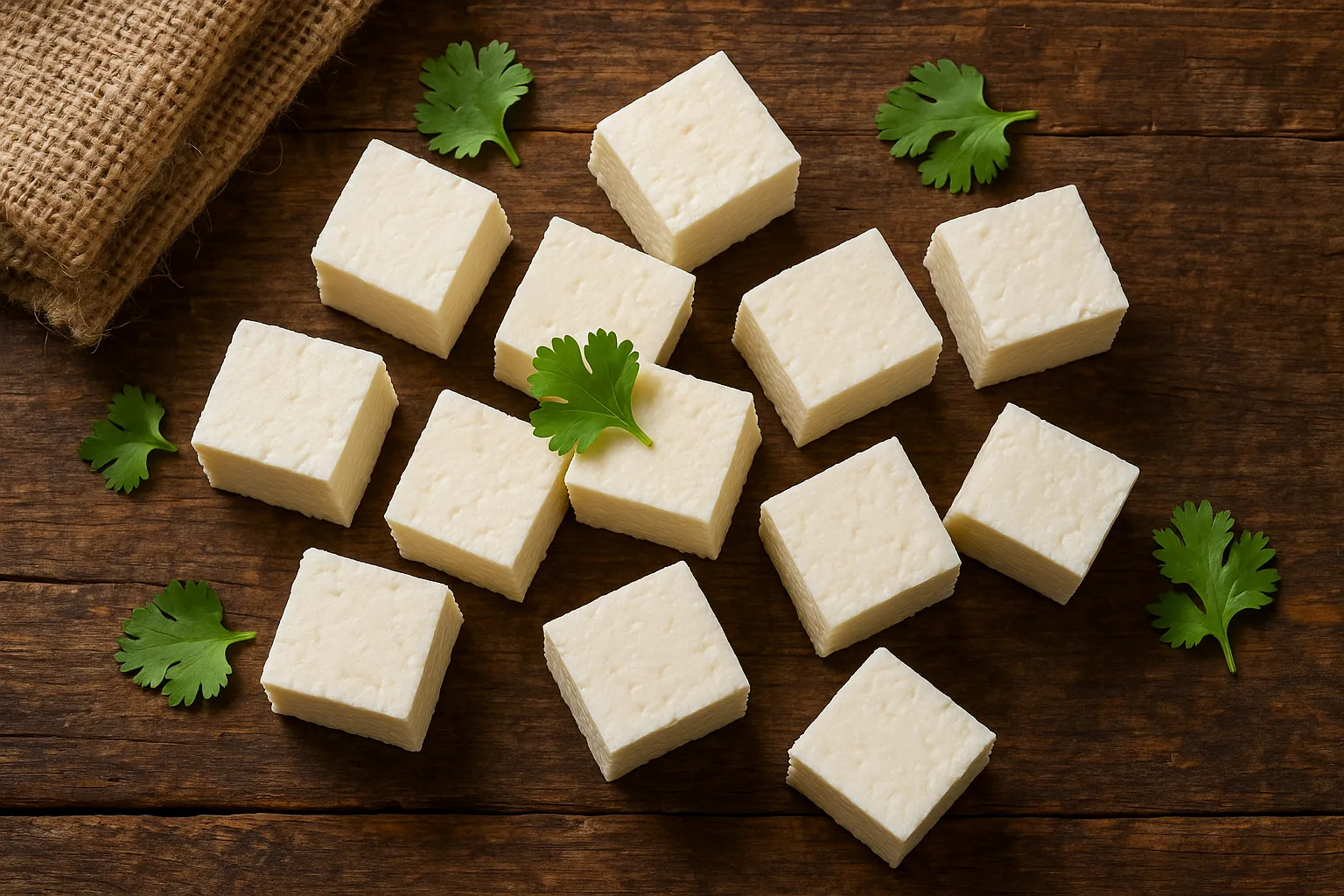
Strong bones require adequate amounts of calcium, phosphorus, and protein, and paneer provides all three nutrients. Calcium is essential for maintaining bone density and supporting normal muscle function. Regular consumption of calcium-rich foods can help meet daily nutritional requirements.
Phosphorus works together with calcium to strengthen bones and teeth. Since paneer is a dairy product, it naturally contains these minerals in a form that the body can utilize effectively. Children, adults, and older individuals can benefit from including calcium-rich foods in their diets.
However, maintaining bone health also requires other factors such as regular physical activity, vitamin D intake, and an overall balanced diet. Paneer can support bone health as part of a healthy lifestyle rather than acting as a single solution.
Paneer and Weight Management
Many people wonder whether paneer is suitable for weight management. The answer depends on portion size, preparation style, and overall calorie intake. Paneer contains protein and fat, which can help increase feelings of fullness and reduce unnecessary snacking.
Low-fat paneer can be a better option for individuals who are focusing on reducing calorie intake while still wanting the benefits of dairy protein. Regular paneer can also fit into a balanced diet when consumed in moderate amounts.
The paneer nutrition benefits make it a useful choice for people who want satisfying meals with good nutritional value. Instead of consuming heavily fried paneer dishes frequently, choosing grilled, cooked, or lightly prepared paneer recipes can support healthier eating habits.
Healthy Ways to Include Paneer in Your Diet
Paneer is highly versatile and can be prepared in many healthy ways. It can be added to salads, vegetable dishes, wraps, sandwiches, and homemade meals. Using fresh vegetables and healthy cooking methods can improve the overall nutritional quality of paneer-based recipes.
Some healthy ways to enjoy paneer include:
- Adding paneer cubes to vegetable salads
- Preparing grilled paneer with herbs and spices
- Including paneer in balanced lunch meals
- Combining paneer with whole grains and vegetables
- Using low-oil cooking methods
Avoiding excessive butter, cream, and deep frying can help maintain the health benefits of paneer. The way paneer is prepared plays an important role in determining whether a dish becomes nutritious or high in unnecessary calories.
Paneer Nutrition for Different Age Groups
Paneer can be beneficial for people at different stages of life. Children can benefit from its protein and calcium content, which support growth and development. Teenagers may require additional nutrients during periods of rapid growth, making nutrient-rich foods like paneer useful.
Adults can include paneer as a protein source to support muscle maintenance and daily energy needs. For older adults, adequate protein and calcium intake are important for preserving muscle strength and bone health.
Although paneer can be healthy, individual dietary needs may differ based on lifestyle, health conditions, and nutritional goals. Portion control and variety are important parts of a balanced diet.
Is Paneer Suitable for Everyone?
While paneer is nutritious, it may not be suitable for everyone in unlimited amounts. People who are lactose intolerant may experience digestive discomfort after consuming dairy products. Some individuals may also need to monitor their intake of high-fat foods depending on their health requirements.
Choosing fresh paneer and consuming it as part of a balanced diet is generally a good approach. People with specific dietary concerns should consider their personal nutritional needs before making major changes to their diet.
Understanding paneer nutrition helps individuals decide how much paneer to include in their meals based on their health goals and lifestyle.
Difference Between Homemade and Store-Bought Paneer
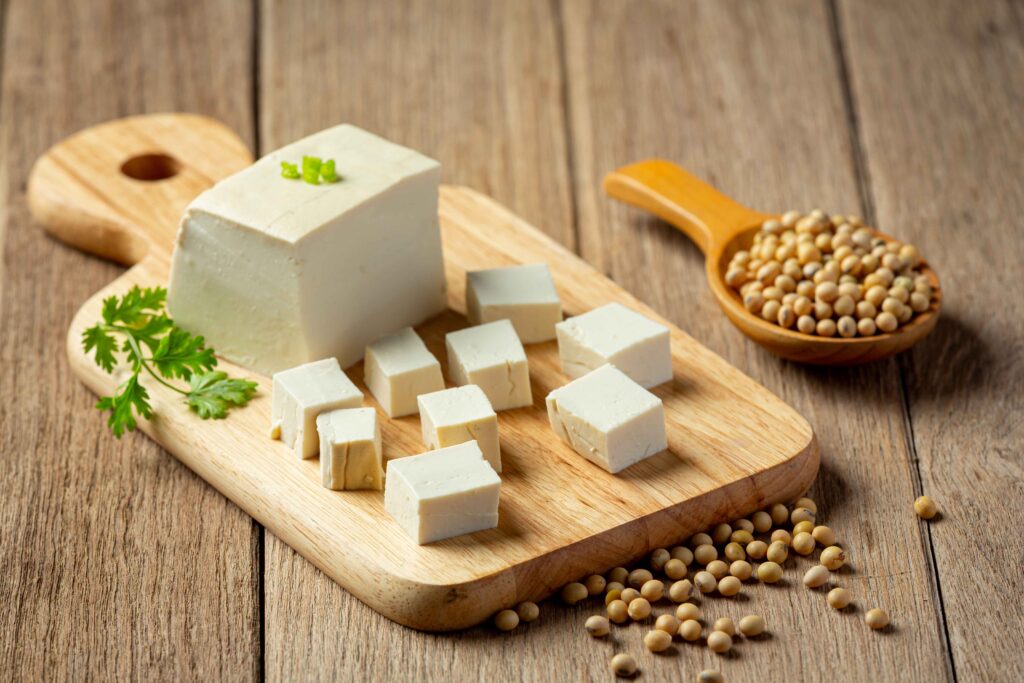
Homemade paneer often allows better control over ingredients and freshness. It can be prepared using high-quality milk without unnecessary additives. Store-bought paneer can also be nutritious, but checking freshness and ingredients is important.
The nutritional difference between homemade and commercial paneer depends on the milk quality, preparation process, and storage conditions. Both types can provide valuable nutrients when consumed properly.
Fresh paneer usually has a soft texture and mild flavor, making it suitable for various recipes. Proper storage is also important to maintain its quality and prevent spoilage.
Calories and Portion Control
Paneer is nutrient-dense but also contains calories, mainly from protein and fat. Therefore, portion control is important, especially for people managing their weight or calorie intake.
A moderate serving of paneer can provide valuable nutrients without adding excessive calories to the diet. Combining paneer with vegetables and fiber-rich foods can create more balanced meals.
The calorie content may increase significantly when paneer is prepared with heavy sauces, butter, or cream. Choosing healthier cooking techniques allows people to enjoy paneer while maintaining nutritional balance.
Conclusion
Paneer is a nutritious dairy food that offers several health benefits when included as part of a balanced diet. Its high-quality protein, calcium, phosphorus, and essential nutrients make it a valuable food choice for vegetarians and anyone looking for nutrient-rich meal options. Understanding paneer nutrition helps people make informed decisions about portion sizes, preparation methods, and dietary combinations.
From supporting muscle health to contributing to strong bones, paneer can play an important role in a healthy eating pattern. Choosing fresh paneer, preparing it with healthy ingredients, and maintaining moderation are key to gaining its benefits. When enjoyed responsibly, paneer can be a delicious and nutritious addition to everyday meals.
Read More:- Healthy Breakfast for Kids: Nutritious Morning Meals for Growth