Introduction
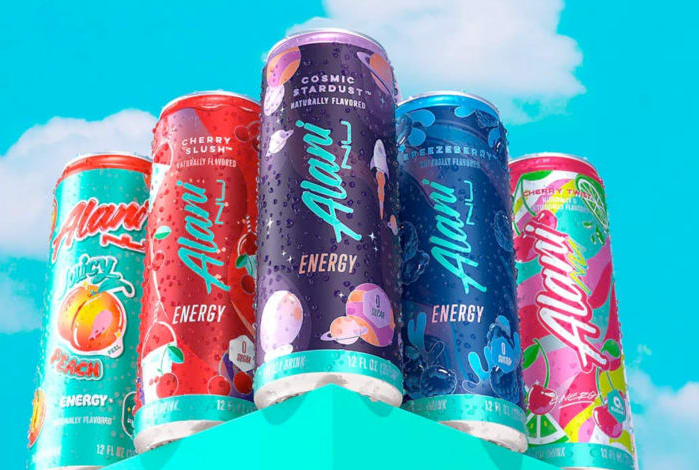
Energy drinks have become a normal part of modern life. Whether it’s early morning fatigue, late-night study sessions, or pre-workout motivation, many people rely on canned energy boosters to stay active. Among these, Alani Nu has gained a strong reputation for its stylish branding, zero-sugar formula, and fitness-focused marketing.
But behind the appealing packaging lies an important question many health-conscious consumers ask before making it a habit. is alani energy drink healthy when consumed regularly, or is it just another stimulant-heavy beverage disguised as a fitness-friendly option?
To understand the real answer, we need to look beyond marketing claims and examine ingredients, caffeine levels, benefits, risks, and long-term effects in a realistic way.
Why Alani Energy Drinks Became So Popular

Alani Nu energy drinks are widely known in fitness and lifestyle communities. Their popularity is not accidental; it is the result of targeted branding and product positioning.
They are marketed as clean, colorful, and “guilt-free” energy drinks with zero sugar and added vitamins. This makes them appealing to people trying to avoid traditional sugary sodas or high-calorie beverages.
Another major reason for their rise is social media influence. Fitness influencers often promote them as a pre-workout alternative, which adds to their perceived health value. However, marketing alone does not define health impact, and that’s where deeper analysis becomes necessary.
What’s Inside an Alani Energy Drink? Ingredient Reality
To evaluate whether a beverage supports health, ingredients matter more than branding. Alani drinks typically contain caffeine, taurine, B vitamins, artificial sweeteners, and flavoring agents.
Each ingredient plays a specific role:
- Caffeine provides stimulation and alertness
- Taurine supports endurance and brain function
- B vitamins help energy metabolism
- Artificial sweeteners replace sugar calories
- Flavoring agents improve taste experience
At first glance, these ingredients appear functional and harmless. However, their combined effects and long-term use patterns determine overall health impact.
Many consumers still wonder is alani energy drink healthy when all these synthetic and stimulant-based components are consumed regularly.
Caffeine and How It Shapes Your Body Response
Caffeine is the most influential ingredient in Alani drinks. Each can contains approximately 200mg of caffeine, which is a significant dose for a single beverage.
200 mg caffeine≈2 cups of coffee200\,mg\,caffeine \approx 2\,cups\,of\,coffee200mgcaffeine≈2cupsofcoffee
This level of caffeine can significantly increase alertness, reaction time, and temporary focus. It stimulates the central nervous system, making you feel awake even when your body is tired.
However, the downside appears when intake is excessive or poorly timed. High caffeine consumption may lead to restlessness, anxiety, or difficulty sleeping, especially for sensitive individuals. Over time, dependency can also develop, reducing natural energy levels.
Short-Term Benefits People Experience
Many users report positive effects shortly after consuming Alani drinks. These effects are primarily linked to caffeine and vitamin content.
One noticeable benefit is increased mental alertness. Tasks that feel tiring suddenly become more manageable due to heightened stimulation. This is particularly useful during long work hours or workouts.
Another benefit is improved physical performance during exercise. The combination of caffeine and taurine may enhance endurance and reduce perceived fatigue, allowing users to push harder during training sessions.
Hydration perception also improves due to the flavorful liquid intake, although the drink itself is not a hydration replacement.
Despite these benefits, it is important to still question is alani energy drink healthy for regular use rather than occasional performance support.
Possible Risks and Side Effects You Should Not Ignore
Like any stimulant-based product, Alani drinks come with potential downsides that should not be overlooked.
One of the most common concerns is sleep disruption. Consuming caffeine later in the day can interfere with deep sleep cycles, leading to fatigue the next day.
Another issue is jitteriness or anxiety, especially in people who are sensitive to stimulants. Even one can may cause noticeable heart rate increases in such individuals.
Artificial sweeteners used in the drink may also affect gut sensitivity or cravings in some users, although research results vary.
Long-term overuse may also lead to caffeine tolerance, meaning higher amounts are needed to achieve the same effect.
Alani vs Other Beverages: A Clear Comparison
To better understand where Alani stands in the energy drink world, let’s compare it with common alternatives.
| Feature | Alani Energy Drink | Traditional Energy Drinks | Coffee |
|---|---|---|---|
| Sugar Content | 0g | High | 0g |
| Caffeine Level | ~200mg | 160–300mg | 80–120mg |
| Calories | Low | High | Very Low |
| Vitamins Added | Yes | Limited | No |
| Crash Effect | Moderate | High | Low |
| Artificial Sweeteners | Yes | Yes | No |
This table shows that Alani is positioned between coffee and traditional high-sugar energy drinks. It avoids sugar overload but still relies heavily on stimulants.
At this point, people often revisit the question is alani energy drink healthy when compared to more natural options like black coffee or green tea.
Daily Use and Expert Perspective on Safety

Health professionals generally agree that moderation is key when it comes to energy drinks. Occasional consumption is usually safe for healthy adults, but daily reliance may lead to issues.
The recommended safe caffeine intake for most adults is around 400mg per day from all sources combined. Since one can of Alani contains about half of that limit, consuming multiple caffeinated beverages in the same day can quickly exceed safe levels.
From a lifestyle perspective, relying on energy drinks for daily functioning may indicate underlying issues such as poor sleep, dehydration, or nutritional imbalance.
This brings us back again to the deeper concern: is alani energy drink healthy as a daily habit or only as an occasional performance tool?
Mental and Physical Dependence Patterns
One often overlooked issue with energy drinks is psychological dependence. Many users begin associating productivity or workout performance with caffeine intake.
Over time, the brain starts relying on external stimulation rather than natural energy regulation. This can lead to reduced motivation without the drink.
Physically, tolerance builds gradually. What once required one can may eventually require more caffeine to achieve the same alertness.
This cycle is not unique to Alani but applies to most energy drinks and caffeine-based products.
Myths and Misconceptions About Energy Drinks
Many beliefs about energy drinks are not fully accurate. One common myth is that sugar-free automatically means healthy. While Alani avoids sugar, it still contains artificial sweeteners and stimulants.
Another misconception is that energy drinks can replace sleep. In reality, they only mask fatigue temporarily without restoring recovery.
A third myth is that all caffeine sources are equal. While caffeine itself is similar, the delivery method and added ingredients can significantly influence how your body reacts.
When Should You Actually Drink It?
Timing plays an important role in minimizing negative effects. Alani drinks are best consumed earlier in the day when your body is naturally active.
They are commonly used before workouts, during long driving hours, or during extended work sessions that require focus.
However, drinking it in the evening increases the likelihood of sleep disruption and next-day fatigue.
Is It Actually Healthy or Just Marketed That Way?
At the core of all discussion lies one important reflection: is alani energy drink healthy for the average person in everyday life?
The answer is not completely yes or no. It depends on frequency, individual sensitivity, and overall lifestyle. For someone with balanced sleep, good nutrition, and occasional use, it may be relatively harmless.
However, for individuals using it daily as a replacement for rest or proper diet, it can become problematic over time.
FAQs
1. Can Alani energy drinks replace coffee?
Yes, but they contain higher caffeine and additives compared to regular coffee.
2. Are they safe for workouts?
In moderation, they may improve performance temporarily.
3. Do they cause weight gain?
They are low in calories, so they do not directly cause weight gain.
4. Can teenagers drink them?
They are not recommended due to high caffeine content.
5. Do they affect sleep?
Yes, especially if consumed later in the day.
Conclusion
Energy drinks like Alani have become a modern solution for fatigue, productivity, and workout energy. They offer convenience, zero sugar, and quick stimulation, making them appealing in today’s fast-paced lifestyle.
However, they are still stimulant-based beverages that should be treated with caution. The real answer to is alani energy drink healthy depends on balance. Occasional use in a well-managed lifestyle is generally fine, but daily dependence can create long-term challenges such as sleep disruption, caffeine tolerance, and energy imbalance.
The key takeaway is simple: use it as a tool, not a necessity. Prioritize sleep, hydration, and nutrition first, and let energy drinks remain an occasional boost rather than a daily requirement.