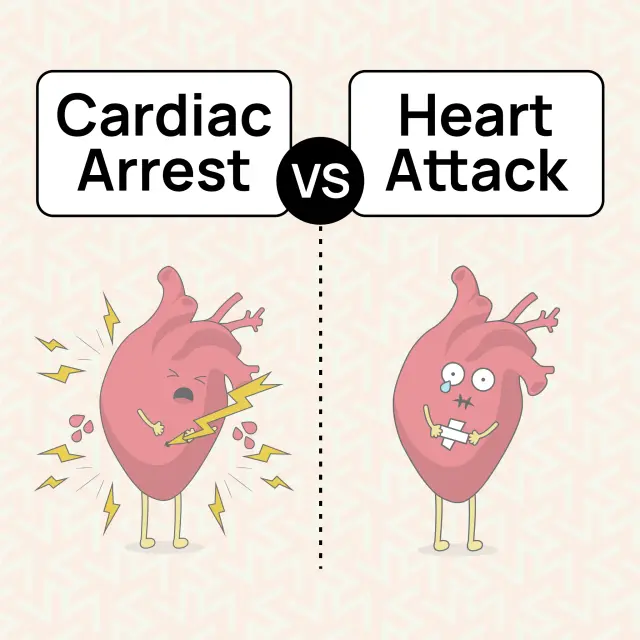
Many people use the terms cardiac arrest vs heart attack interchangeably, but they describe two very different medical emergencies. Understanding the difference can help you recognize warning signs, respond quickly, and potentially save a life. Although both conditions involve the heart, they affect it in different ways and require different emergency responses. A heart attack occurs when blood flow to the heart muscle is blocked, while cardiac arrest happens when the heart suddenly stops beating effectively. Knowing how these conditions differ, what causes them, and how they are treated is essential for improving survival rates and preventing long-term complications. This guide explains everything you need to know about cardiac arrest vs heart attack, including symptoms, causes, diagnosis, treatment, prevention, and recovery.
What Is a Heart Attack?
A heart attack, medically known as a myocardial infarction, occurs when blood flow to part of the heart muscle becomes blocked. The blockage usually develops because fatty deposits and cholesterol build up in the arteries over time. When an artery becomes completely blocked, the heart muscle begins to lose oxygen and nutrients. Without prompt treatment, parts of the heart muscle can become permanently damaged. A heart attack does not necessarily stop the heart immediately, but it weakens its ability to pump blood effectively. Early treatment can restore blood flow and reduce damage. Recognizing the symptoms and seeking immediate medical care greatly increases the chances of survival and recovery. Understanding cardiac arrest vs heart attack begins with knowing that a heart attack is primarily a circulation problem rather than an electrical problem.
What Is Cardiac Arrest?
Cardiac arrest is a sudden and unexpected loss of heart function caused by an electrical malfunction within the heart. During cardiac arrest, the heart stops pumping blood effectively to the brain and other vital organs. The person usually collapses without warning, becomes unconscious, and stops breathing normally. Unlike a heart attack, cardiac arrest is an electrical problem that demands immediate emergency intervention. Without CPR and rapid defibrillation using an automated external defibrillator (AED), survival chances decrease rapidly with each passing minute. Cardiac arrest can occur in people with or without previously diagnosed heart disease. In some cases, a heart attack can trigger cardiac arrest, making it important to understand the relationship between cardiac arrest vs heart attack and why immediate action matters.
Cardiac Arrest vs Heart Attack: Major Differences
Although these conditions are related, they are not the same. A heart attack results from blocked blood flow, while cardiac arrest occurs because the heart’s electrical system suddenly fails.
Key Differences
- Heart attack is caused by blocked coronary arteries.
- Cardiac arrest is caused by an electrical malfunction.
- Heart attack patients are usually awake and conscious.
- Cardiac arrest victims often collapse suddenly.
- Heart attack symptoms may develop gradually.
- Cardiac arrest causes immediate unconsciousness.
- CPR is essential for cardiac arrest.
- Heart attacks require restoring blood flow quickly.
Understanding these distinctions helps people respond appropriately during emergencies involving cardiac arrest vs heart attack.
Symptoms of a Heart Attack
Heart attack symptoms often begin gradually, although some occur suddenly. The severity varies from person to person. Some individuals experience only mild discomfort, while others develop severe chest pain. Women, older adults, and people with diabetes may experience unusual symptoms instead of classic chest pain.
Common symptoms include:
- Chest pain or pressure
- Pain spreading to the arm, neck, jaw, or back
- Shortness of breath
- Cold sweating
- Nausea or vomiting
- Fatigue
- Dizziness
- Feeling of tightness in the chest
Symptoms lasting more than a few minutes should never be ignored.

Symptoms of Cardiac Arrest
Cardiac arrest often happens without warning and requires immediate action. Unlike a heart attack, the symptoms appear suddenly because the heart immediately stops pumping blood.
Typical symptoms include:
- Sudden collapse
- Loss of consciousness
- No pulse
- No normal breathing
- Gasping breaths
- Unresponsiveness
These symptoms represent a medical emergency. Immediate CPR and emergency medical assistance significantly improve survival.
Causes and Risk Factors
Several health conditions and lifestyle factors increase the risk of both cardiac arrest and heart attack. Some risk factors overlap, while others are unique to each condition.
Common risk factors include:
- High blood pressure
- High cholesterol
- Diabetes
- Smoking
- Obesity
- Lack of physical activity
- Family history of heart disease
- Older age
- Excessive alcohol use
- Chronic stress
Cardiac arrest may also result from inherited electrical disorders, severe trauma, electrolyte imbalance, or certain heart rhythm abnormalities.
How Doctors Diagnose These Conditions
Proper diagnosis helps healthcare professionals determine the most effective treatment. Medical evaluation usually begins immediately after the patient arrives at the emergency department.
Diagnostic tests may include:
- Electrocardiogram (ECG)
- Blood tests
- Echocardiogram
- Coronary angiography
- Chest X-ray
- Cardiac MRI
- CT scan
- Continuous heart rhythm monitoring
These tests help determine whether the patient experienced a heart attack, cardiac arrest, or another heart-related condition.
Treatment for Heart Attack
Treating a heart attack focuses on restoring blood flow to the affected heart muscle as quickly as possible. Early treatment minimizes damage and improves long-term outcomes.
Treatment options include:
- Blood-thinning medications
- Clot-dissolving medicines
- Angioplasty
- Coronary stent placement
- Coronary artery bypass surgery
- Oxygen therapy
- Pain management
- Long-term cholesterol-lowering medication
Lifestyle changes remain an essential part of recovery following treatment.
Treatment for Cardiac Arrest
Cardiac arrest requires immediate life-saving intervention. Every minute without treatment reduces survival chances significantly.
Emergency treatment includes:
- Calling emergency medical services
- Starting CPR immediately
- Using an AED if available
- Defibrillation
- Advanced cardiac life support
- Mechanical ventilation
- Intensive care monitoring
- Implantable cardioverter-defibrillator (ICD) for selected patients
Fast treatment greatly improves the chances of survival after cardiac arrest.
Can a Heart Attack Cause Cardiac Arrest?
Yes. A severe heart attack can sometimes trigger cardiac arrest by disrupting the heart’s normal electrical activity. When damaged heart tissue interferes with electrical signals, dangerous heart rhythms may develop, eventually causing the heart to stop beating effectively.
However, not every heart attack leads to cardiac arrest. Likewise, not every cardiac arrest results from a heart attack. Other conditions such as inherited rhythm disorders, heart failure, severe blood loss, drug overdose, or electrolyte abnormalities can also lead to cardiac arrest. Understanding this connection further highlights the importance of learning about cardiac arrest vs heart attack and responding quickly when symptoms appear.
Prevention Tips
Many heart-related emergencies can be prevented through healthy lifestyle habits and routine medical care.
Helpful prevention strategies include:
- Maintain a healthy weight.
- Exercise regularly.
- Eat a heart-friendly diet.
- Stop smoking.
- Limit alcohol intake.
- Manage diabetes.
- Control blood pressure.
- Monitor cholesterol levels.
- Reduce stress.
- Get regular medical checkups.
- Take prescribed medications consistently.
Early prevention significantly lowers the risk of both heart attacks and cardiac arrest.
Recovery and Long-Term Outlook
Recovery depends on how quickly treatment begins, the severity of the condition, and overall health. Heart attack patients often recover well with medication, cardiac rehabilitation, and healthy lifestyle changes. Recovery after cardiac arrest may be more challenging because the brain can suffer damage if blood flow is interrupted for too long.
Patients may require ongoing monitoring, medications, rehabilitation programs, and regular follow-up appointments. Emotional recovery is also important, as anxiety and depression are common after serious cardiac events. Family support, physical activity, healthy nutrition, and adherence to medical advice can greatly improve quality of life after either condition. Learning about cardiac arrest vs heart attack empowers individuals to make informed decisions about their heart health.
When to Seek Emergency Help
Immediate medical attention is necessary if someone experiences:
- Persistent chest pain
- Sudden shortness of breath
- Sudden collapse
- Loss of consciousness
- No pulse
- Difficulty breathing
- Severe dizziness
- Unresponsiveness
Quick action can make the difference between life and death.
Conclusion
Understanding cardiac arrest vs heart attack is essential because these conditions are medical emergencies with different causes, symptoms, and treatments. A heart attack occurs when blood flow to the heart is blocked, while cardiac arrest results from an electrical failure that stops the heart from pumping blood. Although a heart attack can sometimes lead to cardiac arrest, the two are not the same. Recognizing the warning signs, seeking immediate emergency care, learning CPR, and maintaining a heart-healthy lifestyle can significantly improve survival and reduce complications. Awareness, prevention, and timely treatment remain the strongest tools for protecting heart health and saving lives.
Read More:-Widow Maker Heart Attack Explained