Vitamin D Deficiency Symptoms in Hindi: Complete Guide to Signs, Causes, Treatment & Prevention


Vitamin D is one of the most essential nutrients for maintaining healthy bones, muscles, immunity, and overall well-being. Despite living in a country with abundant sunlight, millions of people suffer from vitamin D deficiency due to modern lifestyles, indoor jobs, pollution, poor dietary habits, and limited sun exposure. Understanding vitamin d deficiency symptoms is crucial because the early warning signs are often ignored or mistaken for general fatigue or stress. Left untreated, vitamin D deficiency can lead to serious health complications affecting people of all ages.
If you have been experiencing persistent tiredness, bone pain, muscle weakness, or frequent illness, it may be time to understand whether low vitamin D levels are responsible. This guide explains everything you need to know about vitamin D deficiency, including its symptoms, causes, diagnosis, treatment, prevention, and dietary recommendations.
What Is Vitamin D and Why Is It Important?
Vitamin D is a fat-soluble vitamin that plays a vital role in helping the body absorb calcium and phosphorus. These minerals are essential for maintaining strong bones and healthy teeth. Apart from bone health, vitamin D also supports the immune system, muscle function, brain health, and heart health.
Unlike many other vitamins, the human body can produce vitamin D naturally when the skin is exposed to sunlight. However, factors such as spending most of the day indoors, using sunscreen, darker skin tones, obesity, and aging reduce the body’s ability to produce enough vitamin D.
Recognizing vitamin d deficiency symptoms early helps prevent long-term complications and allows timely treatment before serious health issues develop.
Common Vitamin D Deficiency Symptoms
Vitamin D deficiency develops gradually, and many individuals remain unaware until symptoms become noticeable. The severity of symptoms depends on how low vitamin D levels have become and how long the deficiency has existed.

Some of the most common symptoms include:
- Persistent fatigue
- Bone pain
- Muscle weakness
- Frequent infections
- Slow wound healing
- Hair loss
- Depression or mood changes
- Back pain
- Difficulty climbing stairs
- Increased risk of fractures
Many people ignore these warning signs because they resemble everyday stress or aging. However, persistent vitamin d deficiency symptoms should never be overlooked, especially if they continue for several weeks.
Early Warning Signs of Vitamin D Deficiency
Constant Fatigue
One of the earliest signs is unexplained tiredness that doesn’t improve even after proper sleep. Vitamin D supports energy metabolism and muscle function, making deficiency a common cause of chronic fatigue.
Muscle Weakness
Weak muscles, especially in the thighs and shoulders, can indicate low vitamin D levels. Many adults notice difficulty standing up, climbing stairs, or lifting objects.
Bone and Joint Pain
Vitamin D is essential for calcium absorption. Without enough vitamin D, bones become weak and painful, increasing the risk of fractures.
Frequent Illness
Vitamin D supports the immune system. People with deficiency often catch colds, flu, or respiratory infections more frequently.
Recognizing these early vitamin d deficiency symptoms allows treatment before complications become severe.
Causes of Vitamin D Deficiency
Several factors contribute to vitamin D deficiency. While lack of sunlight is the most common reason, it is not the only cause.
Major Causes
- Limited sun exposure
- Indoor lifestyle
- Air pollution
- Aging
- Dark skin pigmentation
- Obesity
- Kidney disorders
- Liver disease
- Digestive disorders affecting nutrient absorption
- Poor dietary intake
Vegetarians and vegans may also have lower vitamin D intake because natural food sources are primarily animal-based.
Who Is at Higher Risk?
Certain groups are more likely to develop vitamin D deficiency than others.
These include:
- Older adults
- Pregnant women
- Breastfeeding mothers
- Infants
- Office workers
- People who always stay indoors
- Individuals with obesity
- People suffering from kidney or liver disease
- Those with digestive disorders like Crohn’s disease
People belonging to these categories should pay special attention to vitamin d deficiency symptoms and consult a healthcare provider if symptoms appear.
Health Problems Caused by Vitamin D Deficiency
If vitamin D deficiency remains untreated, it can lead to several serious health complications.
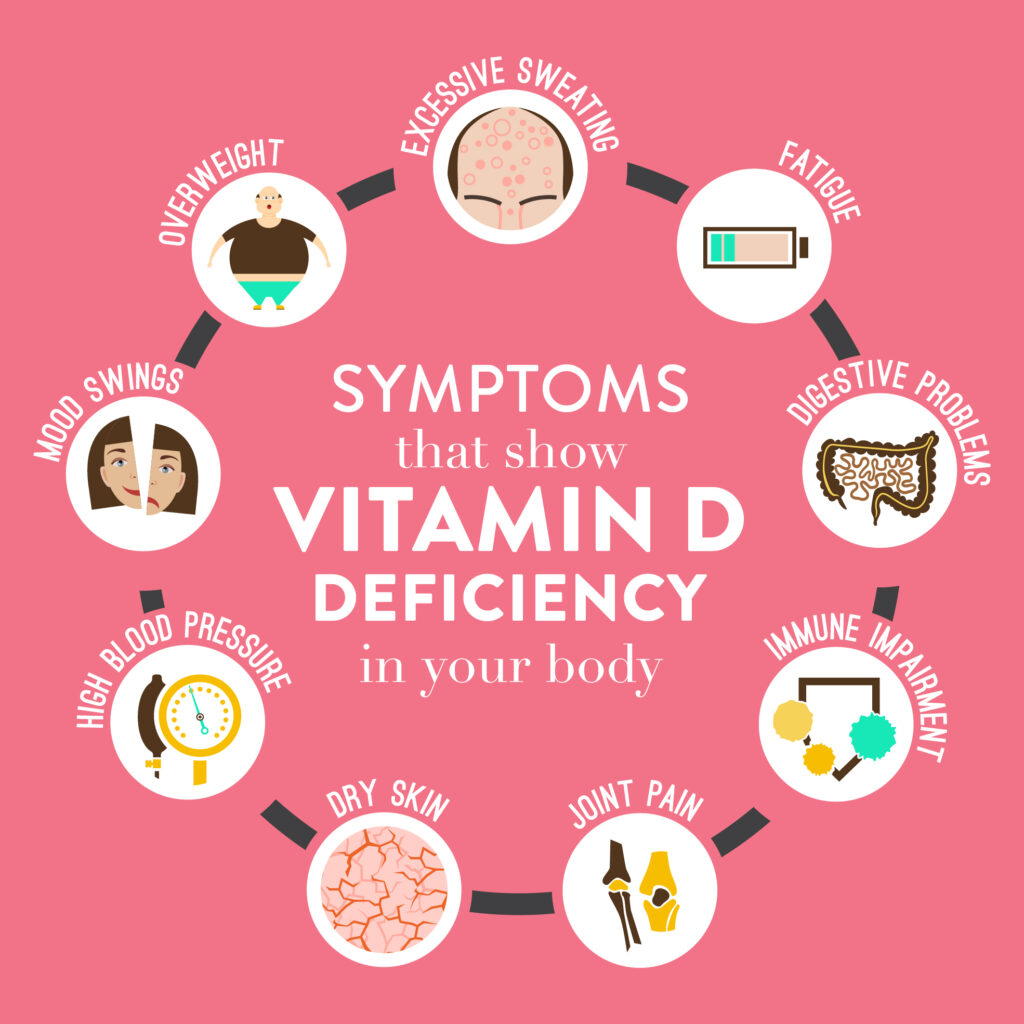
Some major complications include:
- Osteoporosis
- Weak bones
- Frequent fractures
- Rickets in children
- Muscle weakness
- Chronic pain
- Poor immunity
- Depression
- Increased fall risk among elderly individuals
Long-term deficiency may also contribute to cardiovascular disease and certain autoimmune disorders, although research is still ongoing.
Foods Rich in Vitamin D
Although sunlight remains the best natural source, certain foods can also help improve vitamin D levels.
| Food | Approximate Vitamin D Content | Benefits |
|---|---|---|
| Fatty fish | Very High | Excellent natural source |
| Egg yolk | Moderate | Supports bone health |
| Fortified milk | Moderate | Improves calcium absorption |
| Fortified cereals | Moderate | Convenient breakfast option |
| Cheese | Low | Contains small amounts |
| Mushrooms exposed to UV light | Moderate | Best vegetarian source |
| Fortified yogurt | Moderate | Supports gut and bone health |
Including these foods regularly helps reduce the risk of deficiency alongside adequate sunlight exposure.
Best Ways to Increase Vitamin D Naturally
Improving vitamin D levels often requires lifestyle changes along with a balanced diet.
Effective methods include:
- Spend 15–30 minutes in morning sunlight several times a week.
- Eat vitamin D-rich foods regularly.
- Maintain a healthy body weight.
- Exercise consistently.
- Include calcium-rich foods in your diet.
- Follow medical advice regarding supplements if prescribed.
These healthy habits significantly reduce the likelihood of developing vitamin d deficiency symptoms over time.
Diagnosis of Vitamin D Deficiency
Doctors diagnose vitamin D deficiency through a blood test called the 25-hydroxy vitamin D test.
Generally:
- Above 30 ng/mL is considered sufficient.
- Between 20–30 ng/mL may indicate insufficiency.
- Below 20 ng/mL is usually considered deficient.
Your healthcare provider may also recommend additional tests if bone weakness or calcium imbalance is suspected.
Early diagnosis ensures faster recovery and prevents complications associated with untreated deficiency.
Treatment for Vitamin D Deficiency
Treatment depends on the severity of the deficiency and your overall health.
Doctors may recommend:
- Vitamin D supplements
- Calcium supplements if necessary
- Dietary improvements
- Increased sunlight exposure
- Regular follow-up blood tests
It is important not to self-medicate with high-dose vitamin D supplements because excessive intake can also be harmful. Always follow your healthcare provider’s dosage recommendations.
Most individuals notice improvement in energy levels and reduced vitamin d deficiency symptoms within a few weeks to months of appropriate treatment.
Can Vitamin D Deficiency Cause Hair Loss?
Hair loss is increasingly being linked to vitamin D deficiency. Vitamin D helps regulate the growth cycle of hair follicles. When levels become too low, hair growth may slow down, leading to increased shedding.
However, hair loss has multiple possible causes, including iron deficiency, hormonal imbalance, stress, thyroid disorders, and genetics. Therefore, a medical evaluation is essential before assuming vitamin D deficiency is the only cause.
If hair loss occurs along with fatigue, muscle weakness, or bone pain, vitamin d deficiency symptoms may warrant further investigation.
Prevention Tips
Preventing vitamin D deficiency is easier than treating advanced deficiency.
Follow these simple habits:
- Get regular sunlight exposure.
- Eat a balanced diet rich in vitamin D.
- Stay physically active.
- Maintain a healthy weight.
- Avoid prolonged indoor confinement.
- Consider supplements only if advised by your doctor.
- Undergo routine health checkups if you belong to a high-risk group.
These preventive measures help maintain healthy vitamin D levels throughout life.
Conclusion
Vitamin D plays a critical role in maintaining strong bones, healthy muscles, and a well-functioning immune system. Unfortunately, deficiency has become increasingly common due to modern lifestyles that limit sunlight exposure and reduce physical activity. Recognizing vitamin d deficiency symptoms at an early stage can prevent serious complications such as osteoporosis, chronic pain, muscle weakness, and frequent fractures.
If you experience persistent fatigue, bone pain, muscle weakness, or repeated infections, consult a healthcare professional for proper evaluation and testing. Early diagnosis, a nutritious diet, sensible sunlight exposure, and medically supervised supplementation can effectively restore healthy vitamin D levels and improve your overall quality of life.
Read more: Optimum Nutrition: The Complete Guide to Healthy Eating and Better Living