Introduction
Oily skin is one of the most common skin types, affecting millions of people worldwide. While oily skin can make your complexion look naturally hydrated and youthful, it can also lead to challenges such as acne, enlarged pores, blackheads, and excessive shine. Finding the best skincare for oily skin is essential if you want balanced, healthy, and glowing skin without constantly battling excess oil.
Many people mistakenly believe that oily skin does not need moisturizer or that harsh cleansers are the answer. In reality, proper skincare involves understanding your skin’s needs and using products that maintain balance rather than stripping away natural moisture.
This comprehensive guide explains everything you need to know about caring for oily skin, choosing the right ingredients, building an effective skincare routine, and avoiding common mistakes.
Understanding Oily Skin

Oily skin occurs when the sebaceous glands produce excess sebum. Sebum is a natural oil that helps protect and moisturize the skin. However, when too much sebum is produced, it can clog pores and create an environment where acne-causing bacteria thrive.
Several factors contribute to oily skin, including:
- Genetics
- Hormonal changes
- Stress
- Humidity
- Diet
- Improper skincare products
Although oily skin can be frustrating, it also has advantages. People with oily skin often develop wrinkles later than those with dry skin because the skin remains naturally lubricated.
Signs You Have Oily Skin
You may have oily skin if you notice the following symptoms:
| Sign | Description |
|---|---|
| Excess Shine | Skin appears greasy within hours of cleansing |
| Enlarged Pores | Pores are visible, especially on the nose and cheeks |
| Frequent Acne | Whiteheads, blackheads, and pimples appear regularly |
| Makeup Doesn’t Last | Foundation slides off quickly |
| Greasy T-Zone | Forehead, nose, and chin become oily throughout the day |
Recognizing your skin type is the first step toward finding the right skincare routine.
Why Oily Skin Needs Proper Care
Many people attempt to remove all traces of oil from their skin. Unfortunately, this approach often backfires. Over-cleansing can trigger the skin to produce even more oil to compensate for moisture loss.
The goal of the best skincare for oily skin is not to eliminate oil completely but to regulate production while keeping the skin healthy and hydrated.
Balanced skincare helps:
- Reduce breakouts
- Control shine
- Minimize pores
- Improve skin texture
- Prevent irritation
- Support long-term skin health
Essential Ingredients for Oily Skin
Choosing the right ingredients can make a huge difference in managing oily skin.
Salicylic Acid
Salicylic acid penetrates deep into pores and removes excess oil and dead skin cells. It is particularly effective for acne-prone skin.
Niacinamide
Niacinamide helps regulate oil production while reducing redness and improving skin texture.
Hyaluronic Acid
Contrary to popular belief, oily skin still needs hydration. Hyaluronic acid attracts moisture without adding greasiness.
Clay
Clay masks absorb excess sebum and help detoxify pores.
Retinol
Retinol promotes cell turnover and reduces acne while improving overall skin appearance.
Green Tea Extract
Green tea contains antioxidants that soothe inflammation and help regulate oil production.
Ingredients to Avoid
Certain ingredients may worsen oily skin.
These include:
- Heavy mineral oils
- Thick petroleum-based creams
- Excessive fragrance
- Alcohol-heavy products
- Comedogenic oils
Reading ingredient labels carefully can prevent future skin issues.
Morning Skincare Routine for Oily Skin
A simple and consistent routine often delivers the best results.
Step 1: Gentle Cleanser
Start your day with a gentle foaming cleanser designed for oily skin.
Look for:
- Salicylic acid
- Tea tree oil
- Niacinamide
Avoid harsh cleansers that leave your skin feeling tight.
Step 2: Toner
A lightweight toner helps remove remaining impurities and balance the skin.
Ingredients to consider:
- Witch hazel
- Niacinamide
- Green tea extract
Step 3: Serum
A serum containing niacinamide or hyaluronic acid can provide hydration while controlling oil.
Step 4: Moisturizer
One of the biggest misconceptions is that oily skin does not need moisturizer.
The best skincare for oily skin always includes a lightweight, oil-free moisturizer to maintain proper hydration.
Step 5: Sunscreen
Daily sunscreen is non-negotiable.
Choose:
- SPF 30 or higher
- Non-comedogenic formula
- Gel-based texture
Sun protection helps prevent pigmentation and premature aging.
Night Skincare Routine for Oily Skin
Nighttime is when the skin repairs itself.
Cleanse Thoroughly
Remove dirt, oil, makeup, and sunscreen accumulated throughout the day.
Double cleansing may be beneficial if you wear makeup.
Apply Treatment Products
This is the ideal time to use:
- Retinol
- Salicylic acid
- Acne treatments
Hydrate
Use a lightweight moisturizer before bed to support the skin barrier.
Consistent nighttime care significantly improves skin health over time.
Weekly Treatments for Oily Skin

Clay Masks
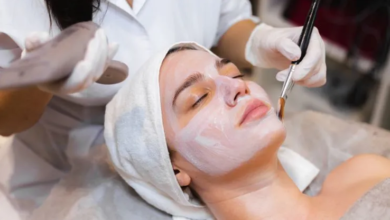
Using a clay mask once or twice weekly can help absorb excess oil and clear pores.
Chemical Exfoliation
Gentle exfoliation removes dead skin cells and improves skin texture.
AHA and BHA exfoliants are popular options.
Hydrating Masks
Hydration is important even for oily skin.
A weekly hydrating mask helps maintain balance.
Common Skincare Mistakes to Avoid
Many people unknowingly worsen oily skin through improper habits.
Overwashing
Washing more than twice daily can increase oil production.
Skipping Moisturizer
Skipping moisturizer often leads to dehydration and additional oil production.
Using Harsh Scrubs
Aggressive scrubs can damage the skin barrier and cause irritation.
Constant Face Touching
Hands transfer bacteria and oil onto the skin.
Sleeping with Makeup
This clogs pores and increases the likelihood of breakouts.
Avoiding these mistakes can significantly improve your results.
Best Product Types for Oily Skin
When shopping for skincare products, prioritize lightweight formulas.
| Product Category | Recommended Type |
|---|---|
| Cleanser | Gel or Foaming |
| Moisturizer | Oil-Free Gel |
| Sunscreen | Matte Finish SPF |
| Serum | Niacinamide-Based |
| Mask | Clay Mask |
| Exfoliant | BHA Exfoliant |
Selecting suitable products is a major part of achieving the best skincare for oily skin.
Diet and Lifestyle Tips for Oily Skin
Skincare products are important, but lifestyle choices also influence skin health.
Stay Hydrated
Drinking sufficient water supports overall skin function.
Eat More Fruits and Vegetables
Foods rich in antioxidants help protect skin cells.
Limit Processed Foods
Highly processed foods may contribute to inflammation and acne in some individuals.
Manage Stress
Stress can increase hormone levels associated with excess oil production.
Get Adequate Sleep
Sleep supports skin repair and recovery.
A healthy lifestyle complements the best skincare for oily skin routine and improves overall results.
How Weather Affects Oily Skin
Weather conditions can significantly impact skin behavior.
Summer
Hot temperatures often increase oil production.
Use lighter moisturizers and blotting papers when necessary.
Winter
Even oily skin can become dehydrated during colder months.
Hydration becomes especially important.
Humid Climates
Humidity may increase shine and clogged pores.
Look for breathable, lightweight products.
Adjusting your routine seasonally can improve skin balance.
Natural Remedies for Oily Skin
While skincare products provide reliable results, some natural remedies may help.
Aloe Vera
Aloe vera provides lightweight hydration and soothing benefits.
Green Tea
Green tea can help calm irritated skin.
Honey
Honey possesses natural antibacterial properties.
Oatmeal
Oatmeal masks may help absorb oil while soothing the skin.
Natural remedies should supplement, not replace, a well-designed skincare routine.
Quick Routine for Oily Skin
Morning
- Gentle cleanser
- Toner
- Niacinamide serum
- Oil-free moisturizer
- Sunscreen
Night
- Cleanser
- Treatment serum
- Lightweight moisturizer
Following this routine consistently can deliver visible improvements.
How Long Does It Take to See Results?
Results vary depending on your skin condition and product choices.
Typical timelines include:
| Concern | Expected Improvement |
|---|---|
| Excess Oil | 2–4 Weeks |
| Minor Acne | 4–8 Weeks |
| Skin Texture | 6–12 Weeks |
| Dark Marks | 2–6 Months |
Patience and consistency are essential.
The best skincare for oily skin works gradually rather than producing overnight changes.
Expert Tips for Long-Term Success

Dermatologists often recommend focusing on consistency instead of constantly changing products.
Helpful tips include:
- Introduce new products slowly
- Patch test before use
- Wear sunscreen daily
- Avoid picking acne
- Maintain a balanced diet
- Follow a regular routine
These habits support the best skincare for oily skin and encourage healthier skin over time.
Frequently Asked Questions (FAQs)
What is the best cleanser for oily skin?
Gel-based or foaming cleansers containing salicylic acid are often excellent choices because they remove excess oil without over-drying the skin.
Should oily skin use moisturizer?
Yes. Moisturizer helps maintain skin balance and prevents dehydration that may trigger additional oil production.
How often should oily skin exfoliate?
Most people with oily skin benefit from exfoliating one to three times per week, depending on skin sensitivity.
Can oily skin become dehydrated?
Absolutely. Oily skin can still lack water, which is why hydration remains important.
Which sunscreen is best for oily skin?
A lightweight, non-comedogenic sunscreen with a matte finish generally works well.
Is oily skin more prone to acne?
Yes. Excess sebum can mix with dead skin cells and clog pores, increasing acne risk.
Are clay masks good for oily skin?
Yes. Clay masks help absorb excess oil and remove impurities from pores.
How can I reduce facial shine during the day?
Blotting papers, oil-free products, and a consistent skincare routine can help control shine effectively.
Conclusion
Managing oily skin does not have to be complicated. The key is understanding your skin’s needs and using products that balance oil production without causing dryness. A consistent routine that includes cleansing, hydration, treatment ingredients, and sun protection can dramatically improve skin appearance and health.
Whether you’re dealing with occasional shine or persistent acne, the best skincare for oily skin focuses on balance rather than stripping the skin of its natural oils. By choosing suitable ingredients, avoiding common mistakes, and maintaining healthy lifestyle habits, you can enjoy clearer, smoother, and more confident skin.
With patience and consistency, achieving healthy, shine-free skin is absolutely possible. The best skincare for oily skin is ultimately the routine that works with your skin, supports its natural barrier, and helps you maintain long-term results.
Read More:-Delicious Low-Carb Meal Ideas for a Healthy Lifestyle Journey