Maintaining good health starts with the food we eat every day. A balanced diet not only provides energy but also supports physical growth, mental well-being, and disease prevention. This is where optimum nutrition plays a crucial role. It refers to consuming the right balance of nutrients in appropriate amounts to meet the body’s daily needs. Rather than following restrictive diets or temporary trends, optimum nutrition focuses on sustainable eating habits that nourish the body over the long term.
People of all ages can benefit from healthy eating practices. Whether you are a student, a working professional, an athlete, or a senior citizen, eating nutrient-rich foods improves overall health and quality of life. Understanding the principles of nutrition helps you make informed food choices and maintain a healthy weight while reducing the risk of chronic illnesses. In this comprehensive guide, you’ll discover the importance of balanced eating, essential nutrients, healthy food choices, meal planning strategies, and practical tips to achieve lasting wellness.
What Is Optimum Nutrition?
Optimum nutrition is the practice of consuming a well-balanced diet that provides all essential nutrients required for the body to function efficiently. These nutrients include carbohydrates, proteins, healthy fats, vitamins, minerals, fiber, and water. When your body receives adequate nutrition, it performs better physically and mentally while maintaining strong immunity and healthy organs.

Unlike fad diets that eliminate certain food groups, optimum nutrition encourages balance, moderation, and variety. Every nutrient has a unique function, and deficiencies or excesses can negatively affect health. Eating different fruits, vegetables, whole grains, lean proteins, dairy products, nuts, and healthy fats ensures that your body gets everything it needs.
Good nutrition also changes throughout life. Children require nutrients for growth, adults need energy and disease prevention, and older adults benefit from foods that maintain muscle strength and bone health. Therefore, making nutritious food choices consistently is one of the best investments you can make for lifelong wellness.
Why Is Optimum Nutrition Important?
Proper nutrition influences nearly every function of the human body. From brain performance to immune function, the foods you eat directly affect your physical and emotional health.
Some major benefits include:
- Supports healthy growth and development
- Strengthens the immune system
- Improves concentration and memory
- Maintains healthy body weight
- Reduces the risk of heart disease
- Helps regulate blood sugar levels
- Promotes healthy digestion
- Increases daily energy levels
- Supports healthy skin, hair, and nails
When individuals follow optimum nutrition, they often experience improved productivity, better sleep quality, enhanced mood, and greater resistance to illness. Good dietary habits also reduce healthcare costs by preventing nutrition-related diseases before they develop.
Essential Nutrients Your Body Needs
Your body depends on six major nutrient groups to remain healthy.
Carbohydrates
Carbohydrates are the body’s primary energy source. Choose complex carbohydrates such as whole grains, oats, brown rice, fruits, vegetables, and legumes instead of refined sugars.
Proteins
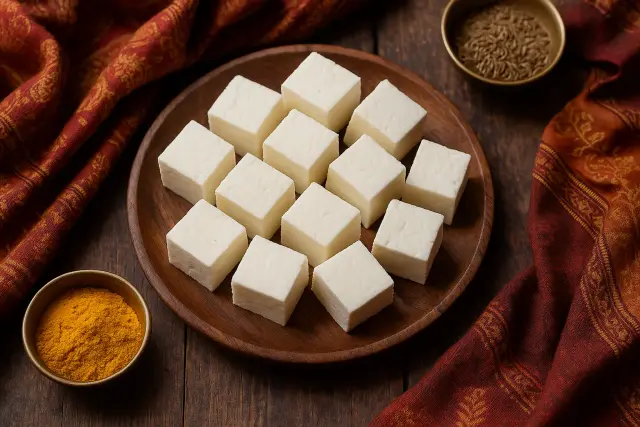
Protein helps repair tissues, build muscles, produce enzymes, and strengthen immunity. Healthy protein sources include fish, eggs, poultry, beans, lentils, tofu, dairy products, and nuts.
Healthy Fats
Healthy fats support brain health, hormone production, and vitamin absorption. Include avocados, olive oil, seeds, fatty fish, walnuts, and almonds in your diet.
Vitamins and Minerals
Micronutrients regulate countless body functions. Vitamins A, C, D, E, K, and B-complex vitamins work alongside minerals like calcium, iron, zinc, potassium, and magnesium to maintain overall health.
Fiber
Dietary fiber improves digestion, controls cholesterol, and supports healthy blood sugar levels. Fruits, vegetables, legumes, and whole grains are excellent fiber sources.
Water
Hydration is equally important. Water regulates body temperature, transports nutrients, removes waste, and supports every organ system.
Food Sources for Optimum Nutrition
Choosing nutrient-dense foods is the foundation of a healthy lifestyle. The following table highlights excellent food sources for different nutrients.
| Nutrient | Best Food Sources | Primary Benefits |
|---|---|---|
| Carbohydrates | Brown rice, oats, quinoa | Energy production |
| Protein | Chicken, fish, beans, eggs | Muscle growth and repair |
| Healthy Fats | Olive oil, avocado, nuts | Heart and brain health |
| Fiber | Fruits, vegetables, legumes | Better digestion |
| Calcium | Milk, yogurt, cheese | Strong bones |
| Iron | Spinach, lentils, lean meat | Healthy red blood cells |
| Vitamin C | Oranges, kiwi, peppers | Immune support |
| Potassium | Bananas, potatoes | Healthy blood pressure |
Eating foods from multiple food groups every day helps achieve optimum nutrition while ensuring dietary variety and balanced nutrient intake.
How to Build a Balanced Plate
Creating balanced meals doesn’t have to be complicated. A simple approach is to divide your plate into sections.
Fill half of your plate with colorful vegetables and fruits, one-quarter with lean protein, and the remaining quarter with whole grains or healthy carbohydrates. Add a small serving of healthy fats and drink enough water throughout the day.

Examples of balanced meals include grilled chicken with brown rice and vegetables, lentil curry with whole wheat roti and salad, or baked salmon with quinoa and steamed broccoli. Including different food colors often means you’re consuming a wider range of vitamins, minerals, and antioxidants.
Following this method consistently makes optimum nutrition practical, enjoyable, and sustainable without counting every calorie.
Foods to Limit for Better Health
While no food must be completely avoided, certain foods should be consumed in moderation.
Limit:
- Sugary beverages
- Processed snacks
- Fried foods
- Fast food
- Refined white bread
- Excess sweets
- Processed meats
- High-sodium packaged foods
These foods often contain excess sugar, unhealthy fats, sodium, and calories while providing minimal nutritional value. Replacing them with whole foods improves nutrient intake and overall health.
Small changes like choosing water instead of soda or fruit instead of candy can make a significant difference over time.
Daily Habits That Support Optimum Nutrition
Healthy eating extends beyond choosing the right foods. Your daily habits also influence nutritional status.
Useful habits include:
- Eat breakfast regularly.
- Include vegetables with every meal.
- Drink adequate water.
- Avoid skipping meals.
- Practice portion control.
- Cook more meals at home.
- Read nutrition labels carefully.
- Eat slowly and mindfully.
- Plan weekly meals.
- Get regular physical activity.
These habits make it easier to maintain optimum nutrition while preventing overeating and unhealthy food choices.
Common Nutrition Mistakes to Avoid
Many people unknowingly make mistakes that reduce the quality of their diets.
Common mistakes include relying heavily on processed foods, avoiding healthy fats, consuming too much sugar, eating oversized portions, ignoring hydration, skipping breakfast, and following extreme diets without professional guidance.
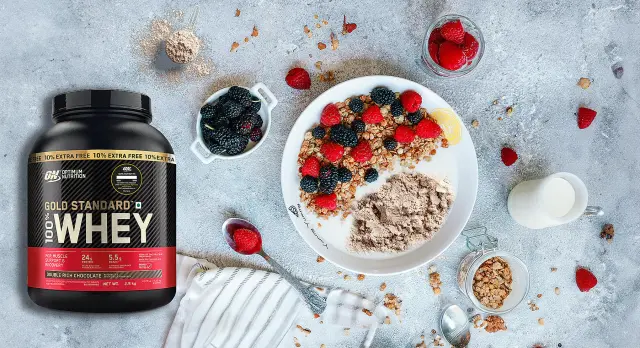
Another frequent mistake is assuming that supplements can replace healthy meals. While supplements may help certain deficiencies, they cannot provide the complete range of nutrients found in whole foods.
Consistency is far more valuable than perfection. Small improvements practiced every day usually deliver better long-term health outcomes than short-lived restrictive diets.
Nutrition Across Different Life Stages
Nutritional requirements change as people age.
Children need protein, calcium, iron, and healthy fats to support growth and brain development. Teenagers require additional nutrients during periods of rapid physical growth.
Adults benefit from balanced meals that provide energy, support muscle maintenance, and reduce the risk of chronic disease. Older adults often require higher protein intake along with calcium, vitamin D, and vitamin B12 to preserve bone density and muscle strength.
Pregnant women require additional nutrients such as folate, iron, calcium, iodine, and protein for healthy fetal development.
Regardless of age, practicing optimum nutrition supports healthy living, improves longevity, and enhances overall quality of life.
Can Supplements Replace Healthy Eating?
Dietary supplements can help address specific nutrient deficiencies, but they should not replace balanced meals. Whole foods contain fiber, antioxidants, enzymes, and numerous beneficial compounds that supplements cannot fully replicate.
Healthcare professionals may recommend supplements for vitamin D deficiency, iron deficiency, pregnancy, older adults, or certain medical conditions. However, taking unnecessary supplements without proper guidance can sometimes be harmful.
The healthiest approach is to obtain most nutrients from natural foods while using supplements only when medically appropriate. Combining healthy eating with regular exercise, adequate sleep, and stress management provides the strongest foundation for long-term wellness.
Tips for Maintaining Healthy Eating Long-Term
Long-term success depends on creating realistic habits rather than following temporary diets.
Start by making gradual improvements instead of changing everything overnight. Keep nutritious snacks available, prepare meals in advance, include seasonal fruits and vegetables, and enjoy occasional treats without guilt. Staying physically active, sleeping well, and managing stress also support healthier food choices.
Family meals, mindful eating, and cooking at home encourage healthier lifestyles while helping people appreciate fresh, nutritious ingredients. Tracking progress through improved energy levels, better digestion, and overall well-being can be more motivating than focusing solely on body weight.
Healthy eating is a lifelong journey that becomes easier with consistency and informed choices.
Conclusion
Good health begins with everyday food choices. Optimum nutrition is not about strict rules or eliminating favorite foods—it is about providing your body with the right nutrients in appropriate amounts for lifelong health. A balanced diet rich in fruits, vegetables, whole grains, lean proteins, healthy fats, and adequate water supports physical performance, mental clarity, strong immunity, and disease prevention.
Read more: Best Skincare for Oily Skin: A Complete Guide to Healthy, Shine-Free Skin