Starting your day with a nutritious breakfast is one of the simplest ways to support long-term health. A balanced morning meal provides the energy needed for work, school, exercise, and daily activities while helping maintain steady blood sugar levels and reducing unnecessary snacking later in the day. As people become more health-conscious in 2026, many are shifting away from highly processed breakfast foods and choosing meals that combine whole grains, lean protein, healthy fats, fruits, and vegetables.
Finding healthy breakfast ideas does not mean spending hours in the kitchen or following restrictive diets. Whether you have five minutes before leaving for work or enjoy preparing a leisurely weekend breakfast, there are countless options that are nutritious, delicious, and practical. The key is selecting ingredients that provide lasting energy and essential nutrients rather than relying on sugary cereals or refined baked goods.
Modern nutrition experts recommend focusing on meals that include protein, fiber, and healthy fats because these nutrients promote satiety and sustained energy throughout the morning. With proper planning, breakfast can become one of the healthiest and most enjoyable meals of the day.
Why Breakfast Still Matters in 2026
Despite changing dietary trends such as intermittent fasting, breakfast continues to play an important role for many individuals. Research suggests that a balanced breakfast supports concentration, physical performance, and appetite regulation, especially for children, students, active adults, and people with demanding work schedules.
Today’s lifestyle often involves long commutes, remote work, hybrid schedules, and increased screen time, making consistent eating habits more important than ever. Choosing nutrient-rich foods early in the day helps establish healthy eating patterns while reducing dependence on highly processed snacks and sugary beverages. Instead of skipping breakfast entirely, many people now prefer lighter yet nutrient-dense meals that fit their schedules.
What Makes a Healthy Breakfast?
Not every breakfast provides the same nutritional value. A healthy meal should contain a balance of carbohydrates for energy, protein for muscle maintenance, healthy fats for satiety, and fiber for digestive health. Fresh fruits and vegetables also contribute vitamins, minerals, and antioxidants that support overall wellness.
A balanced breakfast generally includes:
- Whole grains such as oats, whole wheat bread, or millet.
- Protein sources like eggs, Greek yogurt, cottage cheese, tofu, or legumes.
- Healthy fats from nuts, seeds, avocado, or natural nut butter.
- Fresh fruits or vegetables for fiber and micronutrients.
This combination provides sustained energy instead of the quick spikes and crashes associated with refined sugars.
Best Healthy Breakfast Ideas for Busy Mornings
One reason many people skip breakfast is the lack of time. Fortunately, preparing nutritious meals does not have to be complicated. Overnight oats, yogurt parfaits, vegetable sandwiches, fruit smoothies with protein, and boiled eggs paired with whole-grain toast can all be prepared in minutes.
If mornings are particularly hectic, meal preparation the night before can make a significant difference. Overnight oats mixed with milk, chia seeds, berries, and nuts become ready-to-eat breakfasts that require no cooking. Similarly, vegetable egg muffins prepared in advance can be refrigerated for several days and quickly reheated before leaving home.
These healthy breakfast ideas help busy professionals and students maintain consistent nutrition without sacrificing convenience.
Healthy Breakfast Ideas for Weight Management
Many people assume skipping breakfast helps with weight loss, but this approach often leads to overeating later in the day. A filling breakfast rich in protein and fiber may improve appetite control and reduce cravings.
Examples include oatmeal topped with berries and almonds, Greek yogurt with fresh fruit, vegetable omelets, avocado toast with eggs, and cottage cheese paired with seasonal fruits. These meals provide balanced nutrition while helping individuals feel satisfied for longer periods.
Portion control remains equally important. Even nutritious foods can contribute excess calories if consumed in very large quantities. Choosing minimally processed ingredients and paying attention to serving sizes creates a more sustainable approach to healthy eating.
Breakfast Ideas for Different Dietary Preferences
Today’s eating habits are more diverse than ever. Whether someone follows a vegetarian, vegan, gluten-free, or high-protein lifestyle, there are numerous breakfast options available.
Vegetarians can enjoy paneer wraps, yogurt bowls, vegetable poha, or besan chilla with mint chutney. Vegans may choose tofu scramble, oatmeal with plant-based milk, smoothie bowls, or peanut butter toast with banana slices. Gluten-free eaters can prepare quinoa bowls, fruit smoothies, or rice-based dishes paired with vegetables and lean protein.
The flexibility of modern recipes allows nearly everyone to enjoy healthy breakfast ideas regardless of dietary restrictions.
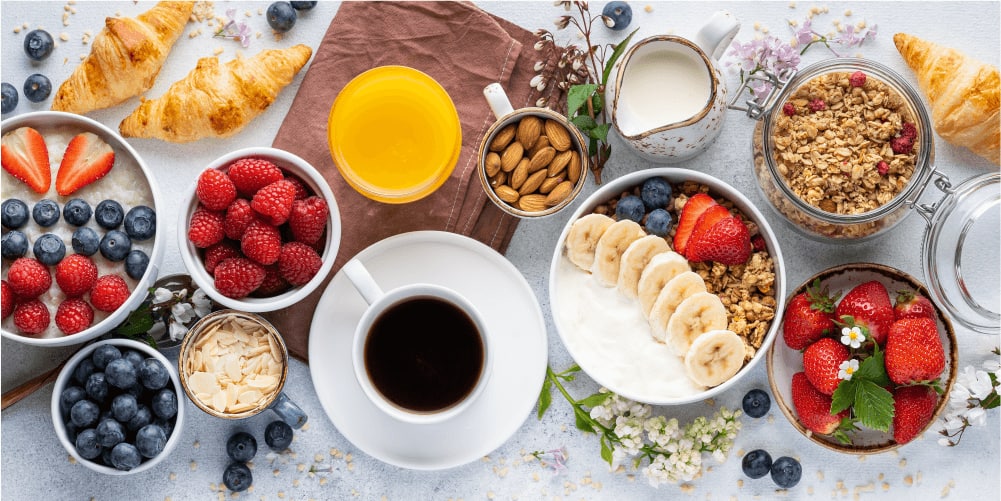
Nutritional Comparison of Popular Breakfast Foods
| Breakfast Option | Protein | Fiber | Preparation Time | Best For |
|---|---|---|---|---|
| Oatmeal with berries | Medium | High | 10 minutes | Heart health |
| Greek yogurt with fruit | High | Medium | 5 minutes | High-protein breakfast |
| Vegetable omelet | High | Medium | 15 minutes | Muscle maintenance |
| Smoothie with protein | High | Medium | 5 minutes | Busy mornings |
| Avocado whole-grain toast | Medium | High | 10 minutes | Balanced nutrition |
| Cottage cheese with fruit | High | Medium | 5 minutes | Weight management |
Breakfast Foods That Support Long-Term Health
Nutrition experts continue recommending whole foods over processed alternatives. Whole grains contribute complex carbohydrates, while fruits and vegetables supply antioxidants that help combat oxidative stress. Lean proteins support muscle repair, especially for physically active individuals, while nuts and seeds provide heart-healthy fats.
Fermented dairy products like yogurt also contribute beneficial probiotics that may support digestive health. Including a variety of colorful foods throughout the week ensures a broader intake of vitamins and minerals.
Rather than relying on supplements alone, obtaining nutrients from whole foods remains the preferred approach for most healthy adults.
Common Breakfast Mistakes to Avoid
Many breakfast habits seem convenient but may reduce overall nutritional quality. Highly sweetened cereals, pastries, sugary coffee drinks, and processed breakfast bars often contain excessive added sugar and limited fiber or protein.
Some common mistakes include:
- Skipping breakfast regularly despite feeling hungry.
- Choosing foods high in refined sugar.
- Eating too little protein in the morning.
- Ignoring hydration after waking up.
Replacing these habits with balanced meals can improve energy levels and overall dietary quality.
Meal Preparation Tips for Healthier Mornings
Meal planning has become increasingly popular because it reduces stress and encourages healthier food choices. Preparing ingredients ahead of time allows breakfast to be assembled quickly even during busy weekdays.
Simple strategies include washing fruit in advance, portioning nuts into containers, preparing overnight oats, chopping vegetables for omelets, and boiling eggs for several days of meals. Keeping nutritious ingredients readily available makes healthy decisions easier and reduces reliance on fast food.
These practical habits transform healthy breakfast ideas into sustainable daily routines rather than occasional efforts.
Healthy Breakfast Ideas for Families
Families often have different nutritional needs depending on age and activity level. Children benefit from meals that include whole grains, dairy or dairy alternatives, fruit, and protein to support growth and learning. Adults may prioritize higher protein intake for satiety, while older adults often benefit from foods rich in calcium, vitamin D, and fiber.
Preparing customizable breakfasts allows everyone to enjoy similar ingredients while meeting individual preferences. For example, oatmeal can be topped with different fruits, seeds, or nuts, while whole-grain toast may be paired with eggs, avocado, or nut butter depending on nutritional goals.
Making breakfast a shared family meal also encourages healthier eating habits that children are more likely to continue into adulthood.
How Seasonal Foods Improve Breakfast Nutrition
Seasonal produce offers freshness, better flavor, and a wider variety of nutrients throughout the year. During summer, berries, mangoes, peaches, and melons make excellent additions to yogurt bowls and smoothies. Cooler months bring apples, pears, oranges, and pumpkins that pair well with oatmeal and whole-grain pancakes.
Rotating seasonal ingredients also prevents meal fatigue and increases dietary diversity. This simple habit supports balanced nutrition while making healthy breakfast ideas more enjoyable and affordable.

What are the healthiest breakfast foods?
The healthiest breakfast foods include oats, eggs, Greek yogurt, fresh fruits, vegetables, nuts, seeds, whole grains, and legumes. Combining several of these foods creates balanced meals that provide protein, fiber, healthy fats, vitamins, and minerals for sustained energy.
Are healthy breakfast ideas good for weight loss?
Yes. Healthy breakfast ideas that contain adequate protein and fiber may help control hunger, reduce cravings, and support balanced calorie intake throughout the day. Weight management depends on overall eating habits and physical activity rather than breakfast alone.
Is it okay to eat the same breakfast every day?
Eating the same nutritious breakfast can simplify meal planning, provided it contains balanced nutrients. However, rotating ingredients regularly helps increase vitamin and mineral variety while keeping meals enjoyable.
What is a healthy breakfast for busy professionals?
Quick options include overnight oats, Greek yogurt with fruit, whole-grain toast with eggs, smoothies containing protein, or cottage cheese with berries. These meals require minimal preparation while providing balanced nutrition.
Can children eat the same healthy breakfast as adults?
Yes. Most balanced breakfasts are suitable for the entire family with age-appropriate portion sizes. Including fruits, whole grains, dairy or alternatives, and protein supports children’s growth while promoting lifelong healthy eating habits.
Conclusion
Choosing nutritious breakfasts is one of the most effective ways to improve overall dietary quality and support long-term health. Instead of relying on processed convenience foods, today’s consumers increasingly prefer balanced meals made from whole grains, lean proteins, fruits, vegetables, and healthy fats. These foods provide sustained energy, improve concentration, and contribute to better appetite control throughout the day.
The best healthy breakfast ideas are those that fit your schedule, nutritional needs, and personal preferences. Whether you prepare overnight oats for a busy weekday, enjoy a vegetable omelet on weekends, or blend a quick smoothie before work, consistency matters more than perfection. By making breakfast a regular part of your routine and choosing nutrient-dense ingredients, you can build healthier habits that benefit your overall well-being in 2026 and beyond.