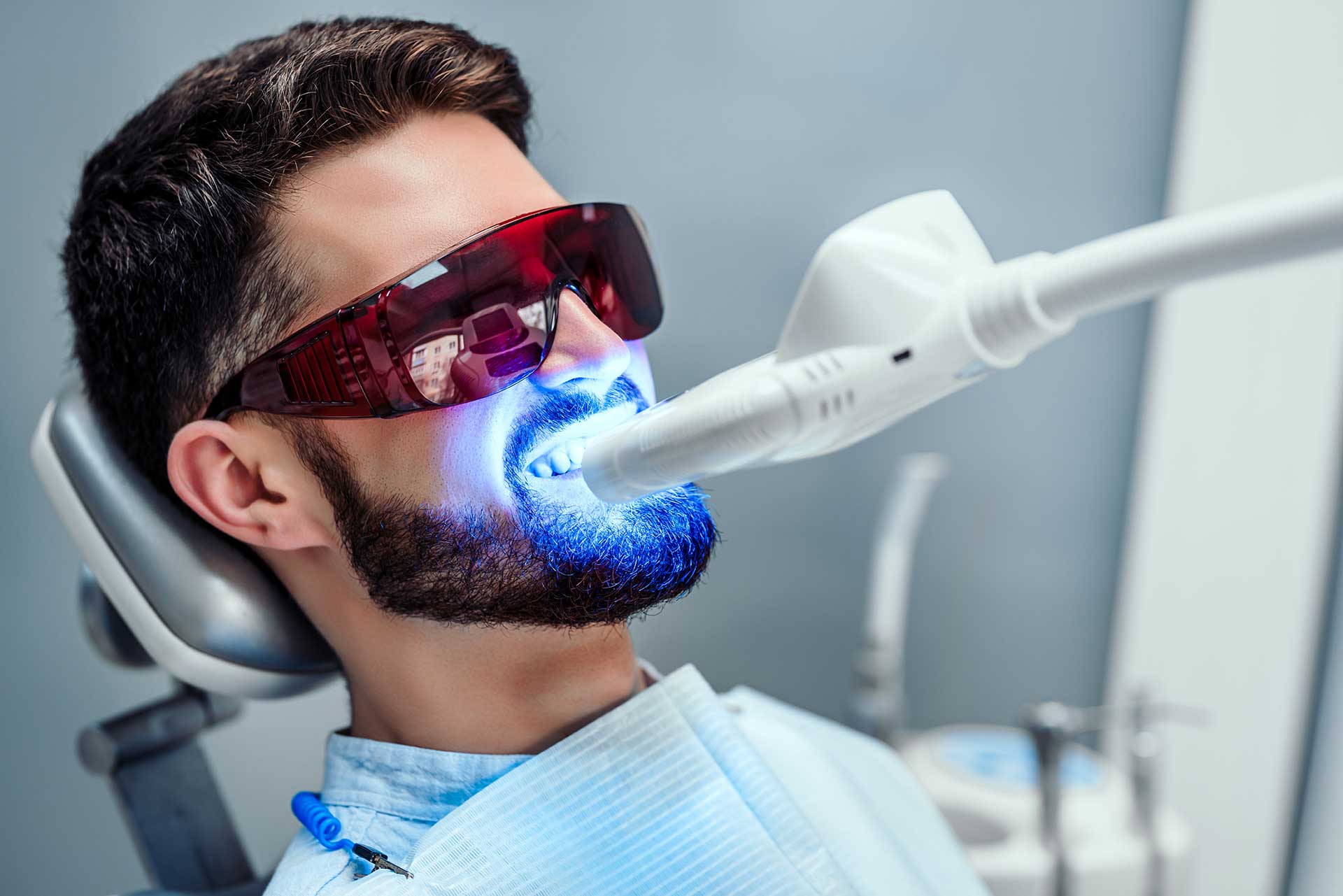
A beautiful smile can improve confidence, enhance first impressions, and contribute to better oral health. While traditional metal braces have helped millions achieve straighter teeth, many people prefer a more discreet orthodontic solution. This is where invisible braces have become increasingly popular. Designed to straighten teeth with minimal visibility, they offer an attractive alternative for teens and adults who want effective treatment without the noticeable appearance of metal brackets.
Modern orthodontic technology has made these clear aligners more comfortable, convenient, and efficient than ever before. Whether you have mild crowding, gaps between teeth, or bite alignment issues, this treatment may provide the solution you’ve been looking for. Understanding how they work, their benefits, limitations, costs, and maintenance requirements will help you decide whether they are the right choice. This comprehensive guide covers everything you need to know before beginning your journey toward a healthier, straighter smile.
What Are Invisible Braces?
Invisible braces are clear, removable orthodontic aligners designed to gradually move teeth into their proper positions. Unlike traditional braces that rely on metal wires and brackets, these aligners are custom-made using advanced digital scans of your teeth.
Each aligner is worn for approximately one to two weeks before switching to the next set. Every new aligner makes small adjustments, allowing the teeth to shift gradually until the desired alignment is achieved.
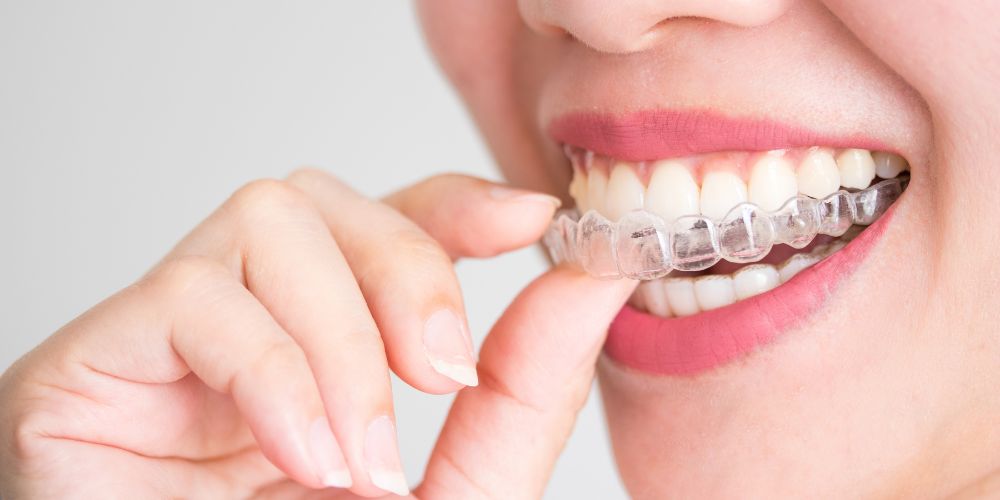
One of the biggest reasons people choose this treatment is aesthetics. Since the aligners are transparent, they are difficult to notice during everyday conversations, making them especially popular among working professionals, college students, and adults.
In addition to improving appearance, clear aligners can also correct various orthodontic concerns, including crowded teeth, spacing issues, mild overbites, underbites, and crossbites. However, the suitability of treatment depends on the complexity of each individual case.
How Invisible Braces Work
The treatment process begins with a detailed consultation and digital assessment of your teeth. Your orthodontist uses advanced imaging technology to create a precise 3D model of your mouth.
The treatment generally follows these steps:
- Initial dental examination
- Digital scanning or impressions
- Customized treatment planning
- Fabrication of clear aligners
- Wearing aligners for 20–22 hours daily
- Periodic progress evaluations
- Completion followed by retainers
Each aligner applies controlled pressure on selected teeth, encouraging gradual movement. Since the adjustments are small, patients usually experience mild discomfort only during the first few days of wearing a new aligner.
Consistency is the key to successful results. Patients who fail to wear aligners for the recommended number of hours may experience delayed treatment or reduced effectiveness.
Benefits of Invisible Braces
Choosing invisible braces offers several advantages beyond appearance. Advances in dental technology have significantly improved patient comfort and treatment precision.
Nearly Invisible Appearance
The greatest advantage is discretion. Most people won’t even notice you’re wearing aligners, allowing you to smile confidently throughout treatment.
Removable Convenience
Unlike fixed braces, aligners can be removed while eating, brushing, flossing, or attending special occasions. This flexibility makes maintaining oral hygiene much easier.
Improved Comfort
Without metal brackets or wires, there is less irritation to the cheeks and gums. The smooth plastic design minimizes cuts and soreness.
Better Oral Hygiene
Because aligners are removable, brushing and flossing remain simple. This reduces the risk of plaque buildup and gum disease during treatment.
Fewer Dental Appointments
Most patients require fewer adjustment visits compared to traditional braces, making treatment convenient for busy schedules.
Predictable Results
Digital treatment planning allows patients to preview their expected results before treatment even begins.
Who Is a Good Candidate?
Not everyone requires the same orthodontic treatment. Clear aligners work exceptionally well for many patients, but severe orthodontic issues may still require traditional braces.
Ideal candidates include individuals with:
- Mild to moderate crowding
- Small gaps between teeth
- Minor bite correction needs
- Relapse after previous orthodontic treatment
- Healthy gums and teeth
Patients with severe jaw alignment problems, extensive tooth rotation, or complex bite issues may need alternative orthodontic treatments. A comprehensive examination is always necessary before determining eligibility.
Invisible Braces vs Traditional Braces
Both treatment options are effective, but they differ in several important aspects.
| Feature | Invisible Braces | Traditional Braces |
|---|---|---|
| Appearance | Nearly invisible | Highly visible |
| Comfort | Smooth plastic | Metal brackets may irritate |
| Removal | Removable | Fixed |
| Oral Hygiene | Easier | More challenging |
| Eating Restrictions | Minimal | Several restrictions |
| Appointments | Fewer | More frequent |
| Suitable for Complex Cases | Limited | Excellent |
Your orthodontist will recommend the best option based on your dental condition and treatment goals.
Treatment Duration
The time required varies depending on the complexity of tooth movement.
General treatment timelines include:
- Minor corrections: 4–6 months
- Moderate alignment: 8–12 months
- Complex cases: 12–24 months
Patients who wear aligners consistently usually complete treatment within the expected timeframe. Skipping wear time can significantly delay progress.
After treatment, retainers help maintain the new tooth positions and prevent relapse.
Daily Care and Maintenance
Proper care ensures aligners remain clear, hygienic, and effective.
Cleaning Tips
Clean aligners every morning and evening using lukewarm water and a gentle cleanser. Avoid hot water, which may warp the plastic.
Brush Before Reinserting
Always brush your teeth after meals before putting aligners back in place. This helps prevent trapped food particles and plaque buildup.
Store Properly
Use the protective storage case whenever aligners are removed. Leaving them exposed increases the risk of contamination or accidental damage.
Avoid Colored Drinks
Coffee, tea, red wine, and sugary beverages may stain aligners or increase the risk of cavities if consumed while wearing them.
Following these habits keeps aligners transparent and your teeth healthy throughout treatment.
Possible Challenges
Although clear aligners are highly effective, patients should be aware of certain challenges.
Some common issues include:
- Mild pressure after changing aligners
- Temporary speech adjustments
- Need for consistent daily wear
- Higher cost than traditional braces in some cases
- Possibility of losing removable aligners
Fortunately, most of these concerns improve quickly as patients adapt to treatment.
Cost Factors
The price of orthodontic treatment varies depending on several factors rather than a fixed amount.
Cost may depend on:
- Complexity of tooth movement
- Number of aligners required
- Duration of treatment
- Orthodontist’s experience
- Geographic location
- Follow-up appointments
- Retainers after treatment
Many dental clinics also offer installment payment options, making treatment more affordable for patients.
Tips for Successful Treatment
Getting the best results requires commitment and consistency.
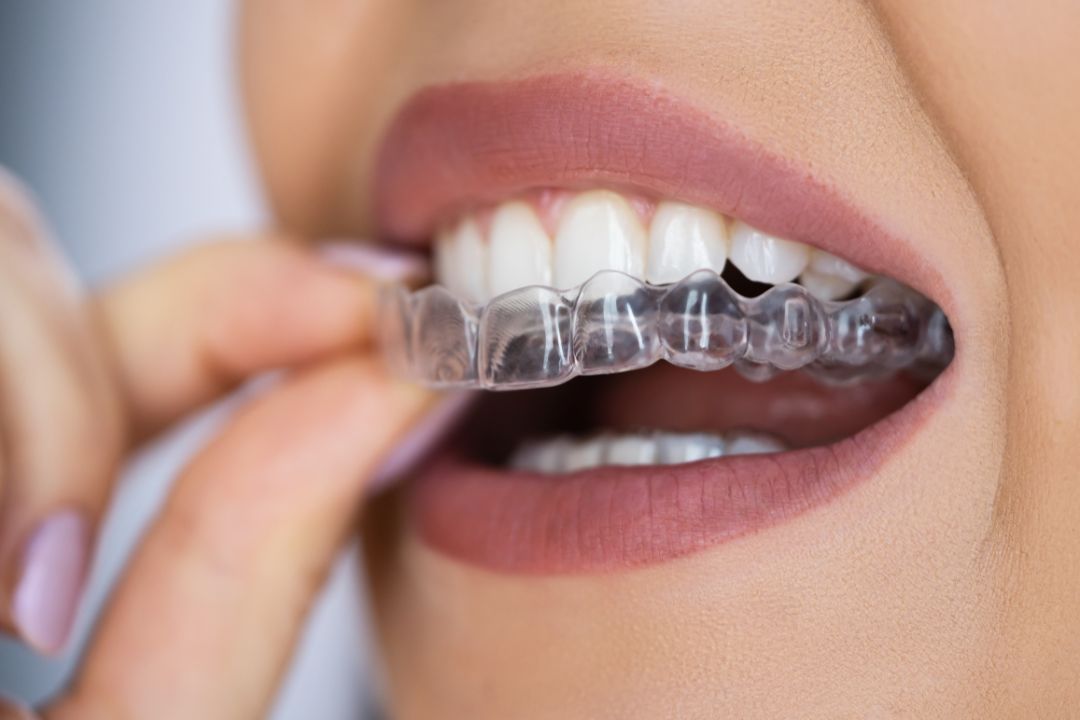
Here are some helpful tips:
- Wear aligners for at least 20–22 hours daily.
- Follow your orthodontist’s instructions carefully.
- Never skip to the next aligner early.
- Brush and floss after every meal.
- Clean aligners daily.
- Keep regular follow-up appointments.
- Wear retainers after treatment ends.
- Store aligners safely when removed.
Following these recommendations helps ensure smoother treatment and long-lasting results.
Common Myths About Invisible Braces
Myth 1: They Don’t Work
Modern clear aligners effectively treat many orthodontic conditions when used as directed.
Myth 2: They’re Completely Pain-Free
Some pressure is normal as teeth gradually shift, but discomfort is usually much milder than traditional braces.
Myth 3: They’re Only for Adults
Teenagers can also benefit from clear aligner treatment if recommended by their orthodontist.
Myth 4: Treatment Is Faster for Everyone
Treatment speed depends on individual dental conditions and patient compliance rather than the type of orthodontic appliance alone.
Life After Treatment
Completing orthodontic treatment is an exciting milestone, but maintaining your results is equally important.
Your orthodontist will typically recommend wearing retainers according to a prescribed schedule. Initially, retainers may need to be worn full-time before transitioning to nighttime use.
Regular dental checkups, excellent oral hygiene, and retainer compliance help preserve your new smile for years. Neglecting retainers may allow teeth to gradually shift back toward their original positions.
Healthy habits after treatment protect both your investment and your confidence.
Conclusion
Achieving a straighter smile no longer requires visible metal brackets for many patients. Invisible braces provide a modern, comfortable, and discreet orthodontic solution that fits today’s active lifestyles. Their removable design, improved comfort, and aesthetic appeal make them an excellent option for people seeking effective teeth alignment without compromising appearance. While they are not suitable for every orthodontic condition, many individuals benefit greatly from this advanced treatment when guided by an experienced orthodontist. Success depends on consistent wear, good oral hygiene, and following professional instructions throughout the treatment process.
Read more: Which Vitamin Deficiency Causes Hair Loss? A Complete Guide to Healthy Hair