
Protein is one of the most essential nutrients your body needs to function properly. From building muscles and repairing tissues to supporting hormones and enzymes, protein plays a crucial role in almost every biological process. Yet, one question that continues to puzzle many people is: how much protein needed per day to stay healthy and achieve fitness goals?
The answer isn’t as simple as a single number. Your daily protein requirement depends on several factors such as age, weight, activity level, and overall health. While some people may thrive on moderate protein intake, others—especially athletes or those trying to lose weight—may need significantly more.
In this comprehensive guide, we’ll break down everything you need to know about how much protein needed per day, including expert recommendations, practical examples, and tips to help you meet your daily needs effectively.
What Is Protein and Why Is It Important?
Protein is a macronutrient made up of amino acids, often referred to as the building blocks of life. These amino acids help repair tissues, build muscle, support immune function, and even produce hormones and enzymes. Without enough protein, your body cannot maintain its normal structure and function.
When considering how much protein needed per day, it’s important to understand that protein is not just for bodybuilders or athletes. Every person, regardless of lifestyle, requires protein for basic survival. For example, your hair, skin, nails, and even your blood rely heavily on protein.
Another key aspect of protein is its role in satiety. Foods rich in protein tend to keep you fuller for longer periods, making them especially beneficial for weight management. This is one reason why people trying to lose weight often increase their protein intake.
How Much Protein Needed Per Day: General Guidelines
The recommended dietary allowance (RDA) for protein is typically based on body weight. For the average adult, the standard recommendation is around 0.8 grams of protein per kilogram of body weight per day.
However, this baseline is just the minimum required to prevent deficiency. It may not be enough for optimal health, especially for active individuals or those with specific goals like muscle gain or fat loss. When evaluating how much protein needed per day, you should consider your personal lifestyle and objectives.
Protein Requirements Based on Lifestyle
Here’s a simple breakdown to understand how protein needs can vary:
- Sedentary individuals: 0.8–1.0 g/kg
- Moderately active people: 1.0–1.3 g/kg
- Athletes or highly active individuals: 1.4–2.0 g/kg
- Muscle building or fat loss: 1.6–2.2 g/kg
These ranges provide a more realistic picture of how much protein needed per day for different groups.
Protein Needs by Body Weight (Table)
The table below offers a quick reference for daily protein intake based on body weight and activity level:
| Body Weight (kg) | Sedentary (g/day) | Active (g/day) | Muscle Gain (g/day) |
|---|---|---|---|
| 50 kg | 40 g | 50–65 g | 80–110 g |
| 60 kg | 48 g | 60–78 g | 96–132 g |
| 70 kg | 56 g | 70–91 g | 112–154 g |
| 80 kg | 64 g | 80–104 g | 128–176 g |
| 90 kg | 72 g | 90–117 g | 144–198 g |
This table simplifies understanding how much protein needed per day depending on your weight and goals.
Factors That Influence Protein Requirements
When determining how much protein needed per day, several personal factors come into play. These factors significantly affect how your body uses protein and how much you actually need.
Age and Life Stage
As you age, your body becomes less efficient at processing protein. Older adults often require more protein to maintain muscle mass and prevent conditions like sarcopenia. Similarly, children, teenagers, and pregnant women have higher protein needs due to growth and development.
Activity Level
Physical activity greatly influences protein needs. If you regularly exercise, especially strength training, your muscles undergo wear and tear. Protein helps repair and rebuild these muscles, making higher intake essential.
Health Goals
Your goals also determine how much protein needed per day. For example, if you aim to lose weight, increasing protein intake can help preserve muscle while burning fat. On the other hand, if you want to gain muscle, higher protein intake supports muscle synthesis.
Best Sources of Protein
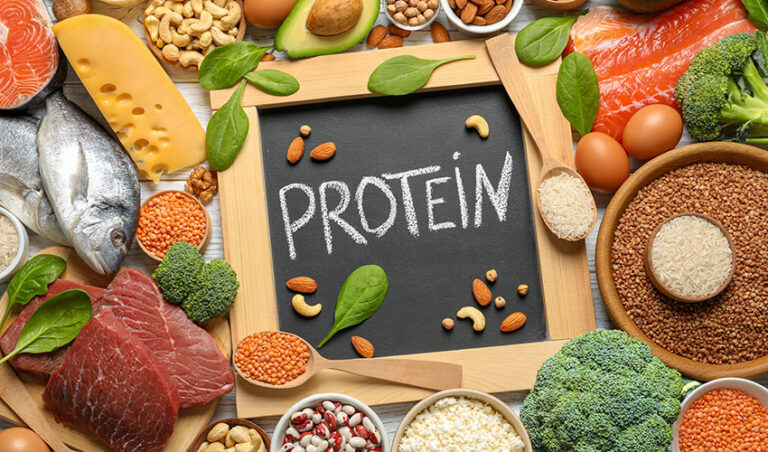
Meeting your daily protein requirements becomes easier when you include a variety of protein-rich foods in your diet. Both animal and plant-based sources can provide sufficient protein when consumed in balanced amounts.
Common Protein-Rich Foods
- Eggs, chicken, fish, and dairy products
- Lentils, chickpeas, beans, and soy products
- Nuts, seeds, and whole grains
- Protein-rich dairy like paneer and yogurt
Including these foods in your meals helps ensure you meet how much protein needed per day without relying on supplements.
How to Distribute Protein Throughout the Day
It’s not just about total intake—how you spread protein across your meals also matters. Consuming protein evenly throughout the day improves absorption and supports muscle maintenance.
Instead of eating most of your protein in one meal, aim to include protein in breakfast, lunch, and dinner. For example, starting your day with eggs or yogurt, having lentils or chicken for lunch, and including a protein-rich dinner can make a noticeable difference.
When people ask how much protein needed per day, they often overlook timing. Balanced distribution ensures your body uses protein efficiently rather than storing excess.
Signs You May Not Be Getting Enough Protein
Protein deficiency is more common than many people realize, especially in diets lacking variety. If you’re unsure whether you’re meeting how much protein needed per day, watch for these signs:
- Frequent fatigue or weakness
- Slow recovery from injuries
- Hair thinning or brittle nails
- Increased hunger and cravings
These symptoms indicate your body may not be receiving adequate protein, which can impact overall health.
Can You Eat Too Much Protein?

While protein is essential, excessive intake can also have drawbacks. Consuming extremely high amounts over long periods may strain the kidneys, especially in individuals with pre-existing conditions.
However, for most healthy individuals, moderately high protein intake is generally safe. The key is balance. Understanding how much protein needed per day helps you avoid both deficiency and excess.
It’s also important to maintain a balanced diet that includes carbohydrates, fats, vitamins, and minerals alongside protein.
FAQs
How do I calculate how much protein needed per day?
To calculate how much protein needed per day, multiply your body weight in kilograms by your activity-based protein requirement. For example, a moderately active person weighing 70 kg may need around 70–91 grams of protein daily.
Is 100 grams of protein per day enough?
For many individuals, 100 grams can be sufficient, especially if they weigh around 60–70 kg and are moderately active. However, the exact requirement depends on your lifestyle and goals.
Do vegetarians get enough protein?
Yes, vegetarians can easily meet how much protein needed per day by consuming foods like lentils, beans, tofu, dairy, and nuts. A varied diet ensures adequate amino acid intake.
Should I take protein supplements?
Supplements are not necessary if you can meet your protein needs through food. However, they can be convenient for people with high protein requirements or busy schedules.
Does protein help with weight loss?
Yes, protein increases satiety and helps preserve muscle mass during weight loss. This makes it easier to maintain a calorie deficit while staying healthy.
Conclusion
Understanding how much protein needed per day is essential for maintaining overall health, supporting muscle growth, and achieving fitness goals. While the basic recommendation provides a starting point, your actual needs depend on factors like age, activity level, and personal objectives.
Read More:- How Much Protein in 1 Banana? Nutrition Facts Explained


