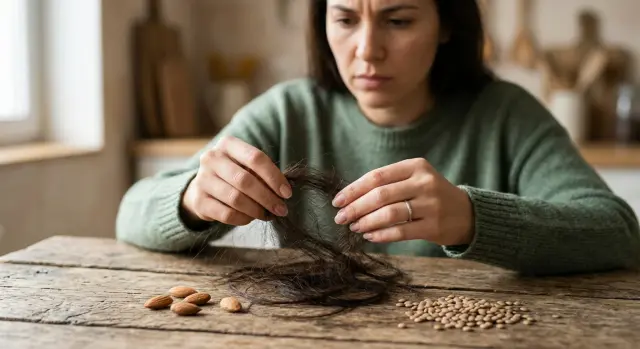
Hair loss is one of the most common concerns affecting both men and women. While genetics, stress, hormonal changes, and medical conditions often receive the most attention, nutritional deficiencies are another major factor that should never be overlooked. If you’ve been wondering which vitamin deficiency causes hair loss, the answer isn’t limited to a single vitamin. Healthy hair growth depends on a combination of essential vitamins and minerals that support hair follicles, scalp health, and the natural hair growth cycle.
A lack of important nutrients can weaken hair strands, slow hair growth, and increase shedding over time. Fortunately, identifying and correcting nutrient deficiencies can often improve hair health and reduce excessive hair fall. This article explores which vitamin deficiency causes hair loss, the symptoms associated with each deficiency, dietary sources, treatment options, and practical tips for maintaining thick, healthy hair naturally.
Why Vitamins Are Essential for Healthy Hair Growth
Hair follicles are among the fastest-growing tissues in the human body. To produce strong, healthy hair, they require a continuous supply of nutrients, including vitamins, proteins, minerals, and healthy fats. Vitamins help create new cells, improve blood circulation to the scalp, protect follicles from oxidative stress, and support keratin production—the protein that forms hair strands.
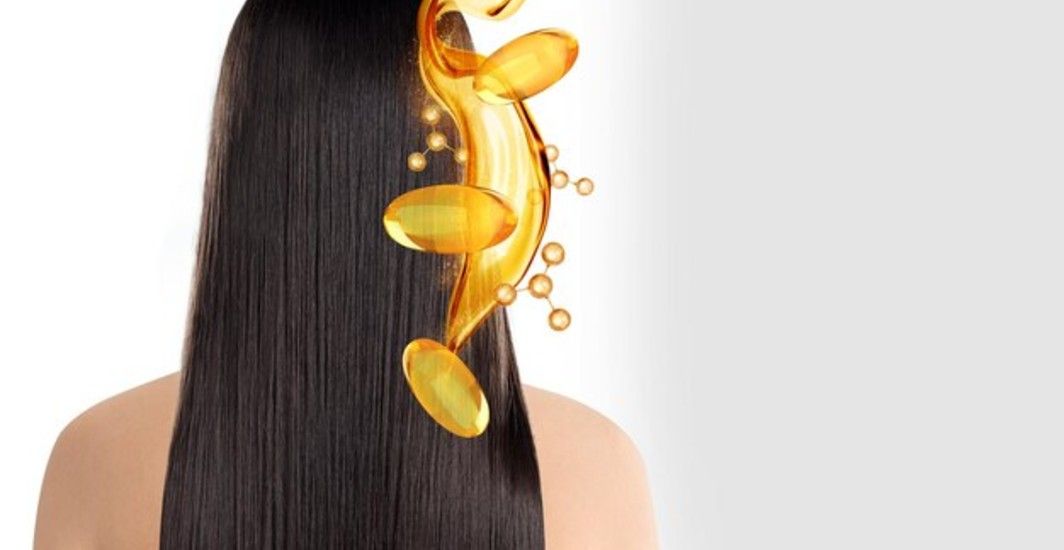
When the body lacks key vitamins, it prioritizes essential organs over hair growth. As a result, hair follicles enter the resting phase prematurely, leading to increased shedding and thinner hair. This explains why many people searching for vitamin deficiency causes hair loss discover that correcting nutritional imbalances often leads to healthier, stronger hair over time.
Although supplements may help in some cases, the best approach is to identify the specific deficiency through proper medical evaluation and improve your diet with nutrient-rich foods whenever possible.
Common Vitamin Deficiencies That Cause Hair Loss
Several vitamin deficiencies can contribute to excessive hair shedding. Each nutrient plays a unique role in maintaining healthy hair follicles and supporting continuous hair growth.
Vitamin D Deficiency
Vitamin D is one of the most commonly linked nutrients when discussing vitamin deficiency causes hair loss. It helps activate dormant hair follicles and supports the normal hair growth cycle.
Low vitamin D levels have been associated with increased hair shedding and conditions like alopecia areata.
Common symptoms include:
- Diffuse hair thinning
- Muscle weakness
- Fatigue
- Bone pain
- Frequent illness
Good food sources include:
- Fatty fish
- Egg yolks
- Fortified dairy products
- Mushrooms
- Sunlight exposure
Vitamin B12 Deficiency
Vitamin B12 helps produce healthy red blood cells that deliver oxygen to hair follicles. Without adequate oxygen and nutrients, hair growth slows considerably.
People following vegetarian or vegan diets are at greater risk because B12 is naturally found in animal products.
Symptoms may include:
- Hair thinning
- Fatigue
- Tingling hands and feet
- Memory problems
- Pale skin
Rich dietary sources include:
- Meat
- Fish
- Eggs
- Milk
- Cheese
- Fortified cereals
Biotin (Vitamin B7) Deficiency
Biotin is widely recognized for supporting healthy hair, skin, and nails. Although true biotin deficiency is uncommon, it can contribute to brittle hair and increased hair breakage.
Risk factors include:
- Long-term antibiotic use
- Certain medications
- Pregnancy
- Rare genetic disorders
Natural food sources include:
- Eggs
- Nuts
- Seeds
- Sweet potatoes
- Salmon
- Spinach
Vitamin C Deficiency
Vitamin C is essential for collagen production and helps the body absorb iron more efficiently. Both collagen and iron are necessary for strong, healthy hair.
Without sufficient vitamin C, hair becomes weak and more prone to breakage.
Excellent sources include:
- Oranges
- Kiwi
- Strawberries
- Bell peppers
- Broccoli
- Tomatoes
Vitamin A Deficiency
Vitamin A supports cell growth, including the cells responsible for hair production. However, balance is important because both deficiency and excessive intake may contribute to hair loss.
Healthy sources include:
- Carrots
- Sweet potatoes
- Pumpkin
- Spinach
- Kale
- Liver
Can Mineral Deficiencies Also Cause Hair Loss?
Although many people focus only on vitamins, minerals are equally important. In fact, some of the most common nutritional causes of hair loss involve mineral deficiencies.
| Nutrient | Role in Hair Health | Common Food Sources |
|---|---|---|
| Iron | Delivers oxygen to hair follicles | Red meat, spinach, lentils |
| Zinc | Supports tissue repair and follicle growth | Pumpkin seeds, seafood, beans |
| Selenium | Protects follicles from oxidative damage | Brazil nuts, fish, eggs |
| Protein | Forms the structure of hair | Chicken, fish, dairy, legumes |
| Omega-3 Fatty Acids | Nourish scalp and reduce inflammation | Salmon, walnuts, flaxseeds |
A balanced diet that includes both vitamins and minerals is often more effective than relying on supplements alone.
Symptoms That May Indicate a Vitamin Deficiency
Hair loss caused by nutritional deficiencies rarely appears overnight. Instead, it develops gradually as nutrient stores become depleted.
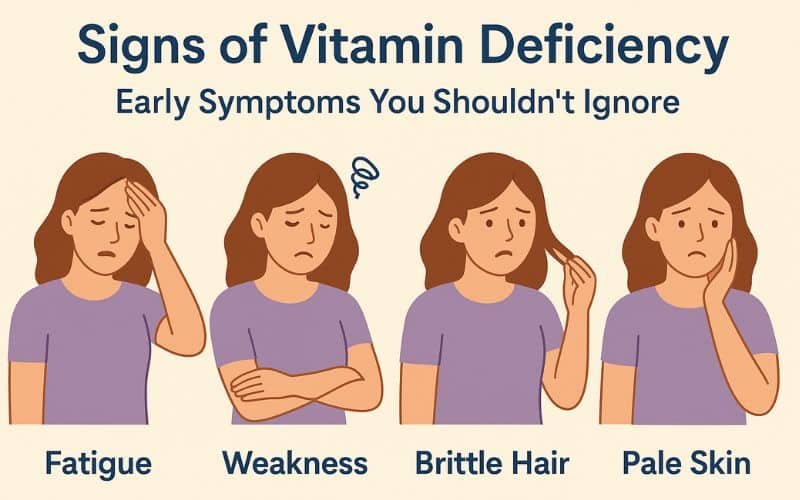
Common warning signs include:
- Increased hair shedding while washing
- Thinning hair around the crown
- Weak or brittle hair
- Slow hair growth
- Dry scalp
- Split ends
- Fatigue
- Pale skin
- Weak nails
- Frequent infections
If several of these symptoms occur together, consulting a healthcare professional for blood tests can help determine the underlying cause.
Who Is Most at Risk?
Certain individuals have a higher likelihood of developing nutritional deficiencies that affect hair growth.
Higher-risk groups include:
- Vegetarians and vegans
- Older adults
- Pregnant women
- Individuals with digestive disorders
- People following restrictive diets
- Those recovering from surgery
- Individuals experiencing chronic stress
- People with eating disorders
Understanding personal risk factors makes it easier to prevent deficiencies before noticeable hair loss develops.
Best Foods for Preventing Vitamin Deficiency and Hair Loss
Instead of relying solely on supplements, focus on building a nutrient-rich diet that supports healthy hair growth.
Include foods such as:
- Eggs
- Salmon
- Greek yogurt
- Spinach
- Sweet potatoes
- Blueberries
- Citrus fruits
- Almonds
- Walnuts
- Lentils
- Lean chicken
- Beans
- Whole grains
- Avocados
A colorful, balanced diet supplies the vitamins and minerals needed for stronger hair while supporting overall health.
Should You Take Hair Vitamins?
Many over-the-counter hair supplements promise thicker, faster-growing hair, but they are not always necessary.
Supplements may be beneficial when:
- Blood tests confirm a deficiency.
- Dietary intake is inadequate.
- A healthcare provider recommends supplementation.
- Medical conditions reduce nutrient absorption.
Taking high doses of vitamins without a confirmed deficiency may not improve hair growth and, in some cases, may even worsen hair loss. For example, excessive vitamin A intake has been linked to increased shedding. Therefore, supplementation should be personalized rather than routine.
Lifestyle Habits That Support Healthy Hair Growth
Nutrition is only one part of maintaining healthy hair. Daily habits also influence the strength and longevity of your hair.
Helpful practices include:
- Eat a balanced diet rich in vitamins and protein.
- Stay well hydrated throughout the day.
- Manage stress through exercise or meditation.
- Get enough quality sleep each night.
- Avoid excessive heat styling.
- Limit harsh chemical treatments.
- Massage the scalp regularly to improve circulation.
- Trim split ends periodically.
- Use gentle shampoos suitable for your hair type.
Combining healthy habits with proper nutrition provides the best environment for long-term hair growth.
When Should You See a Doctor?
Occasional shedding is completely normal, but persistent or severe hair loss deserves medical attention.
Seek professional evaluation if you experience:
- Sudden or excessive hair shedding
- Bald patches
- Hair loss lasting more than three months
- Persistent fatigue
- Unexplained weight changes
- Signs of anemia
- Severe scalp irritation
A healthcare provider may recommend blood tests to evaluate vitamin D, vitamin B12, iron, ferritin, zinc, thyroid function, and other potential contributors to hair loss. Identifying the exact deficiency ensures appropriate treatment and improves the chances of restoring healthy hair growth.
Conclusion
If you’ve been asking which vitamin deficiency causes hair loss, the answer often involves several nutrients working together rather than a single vitamin. Deficiencies in vitamin D, vitamin B12, biotin, vitamin C, and vitamin A can all contribute to excessive hair shedding when levels become too low. In addition, minerals such as iron and zinc play equally important roles in maintaining strong, healthy hair follicles.
Read more: Vitamin D Deficiency Symptoms in Hindi: Complete Guide to Signs, Causes, Treatment & Prevention