Feeling constantly tired, sluggish, or mentally drained has become surprisingly common in today’s fast-paced world. Whether it’s long working hours, poor diet choices, lack of sleep, or stress, many people struggle to maintain consistent energy levels throughout the day. While caffeine and energy drinks might provide temporary relief, they often lead to crashes and dependency. This is where nutrition plays a crucial role—especially when it comes to choosing the best vitamins for energy.
Vitamins are essential micronutrients that support various bodily functions, including metabolism, brain function, and cellular energy production. When your body lacks key vitamins, it can’t efficiently convert food into usable energy, leaving you feeling exhausted even after a full night’s sleep. Understanding which vitamins truly help can make a significant difference in how you feel daily.
In this guide, we’ll explore the best vitamins for energy, how they work in the body, and how you can incorporate them into your routine for long-lasting vitality. Rather than quick fixes, these vitamins support sustainable energy production from within.
Why Vitamins Are Essential for Energy Production
Energy in the human body doesn’t come directly from vitamins themselves, but from the food you eat—carbohydrates, fats, and proteins. However, vitamins act as catalysts that help convert these nutrients into usable energy at the cellular level. Without adequate vitamins, your metabolism slows down, and your body struggles to produce energy efficiently.
For example, certain vitamins assist in breaking down glucose, while others support oxygen transport or reduce oxidative stress. This means even if your diet contains enough calories, a deficiency in key vitamins can still leave you feeling fatigued. This is why focusing on the best vitamins for energy is not just helpful—it’s essential.
Moreover, vitamins also play a role in reducing fatigue caused by stress, improving mood, and enhancing mental clarity. A well-balanced intake ensures your body performs optimally, both physically and mentally.
Top Vitamins That Boost Energy Naturally

Vitamin B Complex: The Energy Powerhouse
When discussing the best vitamins for energy, Vitamin B complex always comes first. This group includes eight essential vitamins such as B1 (Thiamine), B2 (Riboflavin), B6, and B12, all of which play a critical role in energy metabolism.
Vitamin B12, in particular, is vital for red blood cell formation and oxygen transport. A deficiency can lead to weakness, fatigue, and even anemia. Similarly, Vitamin B6 helps in amino acid metabolism and neurotransmitter production, which impacts both energy and mood.
People who follow vegetarian or vegan diets are especially prone to B12 deficiency, making supplementation important in such cases. Including whole grains, eggs, dairy, and leafy greens can naturally boost your intake of these vitamins.
Vitamin D: The Sunshine Vitamin
Vitamin D is often overlooked when considering the best vitamins for energy, but its role is significant. Low levels of Vitamin D have been linked to fatigue, muscle weakness, and even depression.
This vitamin supports mitochondrial function—the part of your cells responsible for energy production. Without adequate Vitamin D, your body’s energy output can decline noticeably. Sunlight exposure is the most natural way to get Vitamin D, but dietary sources like fortified foods and fatty fish can also help.
In regions where sunlight exposure is limited or lifestyles are mostly indoors, Vitamin D deficiency becomes common, making supplementation necessary for maintaining energy levels.
Vitamin C: More Than Immunity
While Vitamin C is widely known for boosting immunity, it also plays a role in reducing fatigue and enhancing energy levels. It helps in the synthesis of carnitine, a molecule that transports fatty acids into cells for energy production.
Additionally, Vitamin C aids in iron absorption, which is essential for preventing fatigue caused by low hemoglobin levels. This dual role makes it one of the best vitamins for energy, especially for individuals experiencing tiredness due to iron deficiency.
Citrus fruits, berries, bell peppers, and broccoli are excellent sources of Vitamin C that can easily be included in your daily diet.
Iron: The Oxygen Carrier
Although technically a mineral, iron is crucial when discussing energy because it directly affects how oxygen is delivered throughout your body. Low iron levels can result in anemia, leading to extreme fatigue and weakness.
Iron supports the production of hemoglobin, which carries oxygen to your muscles and brain. Without sufficient oxygen, your body struggles to produce energy efficiently. This makes iron an essential part of any list of the best vitamins for energy.
Women, especially during menstruation, are more prone to iron deficiency and should pay extra attention to their intake through foods like spinach, lentils, and red meat.
Key Vitamins and Their Energy Benefits
| Vitamin/Mineral | Primary Function | Energy Benefit |
|---|---|---|
| Vitamin B12 | Red blood cell formation | Reduces fatigue and boosts stamina |
| Vitamin B6 | Amino acid metabolism | Improves brain energy and mood |
| Vitamin D | Supports mitochondria | Enhances overall energy levels |
| Vitamin C | Iron absorption | Reduces tiredness and boosts vitality |
| Iron | Oxygen transport | Prevents fatigue and weakness |
Signs You May Be Lacking Energy-Boosting Vitamins
Sometimes fatigue isn’t just due to lifestyle—it could be a sign of nutrient deficiency. Recognizing these signs early can help you address the issue effectively.
- Constant tiredness even after rest
- Difficulty concentrating or brain fog
- Weakness or low stamina
- Pale skin or shortness of breath
- Frequent mood swings or irritability
If you experience these symptoms regularly, it may be time to evaluate your diet and consider whether you’re getting the best vitamins for energy.
Natural Food Sources vs Supplements
When it comes to improving energy levels, the first approach should always be through natural food sources. Whole foods not only provide vitamins but also contain fiber, antioxidants, and other nutrients that work together to enhance absorption and effectiveness.
However, in certain cases—such as dietary restrictions, medical conditions, or deficiencies—supplements can be beneficial. For example, individuals with low Vitamin B12 levels or limited sun exposure may require supplementation to maintain optimal energy levels.
The key is balance. Relying solely on supplements without improving your diet won’t deliver long-term results. Combining nutrient-rich foods with targeted supplementation ensures you’re getting the best vitamins for energy in the most effective way.
How to Maximize Vitamin Absorption for Energy
Simply consuming vitamins isn’t enough—you also need to ensure your body absorbs them effectively. Poor digestion, stress, and certain medications can interfere with absorption, reducing the benefits.
One important factor is timing and pairing. For instance, Vitamin C enhances iron absorption, while fat-soluble vitamins like Vitamin D require healthy fats for proper uptake. Staying hydrated and maintaining a healthy gut also play a crucial role in maximizing the benefits of the best vitamins for energy.
Additionally, reducing processed foods and alcohol intake can improve nutrient absorption, helping your body utilize vitamins more efficiently.
Lifestyle Habits That Complement Energy Vitamins
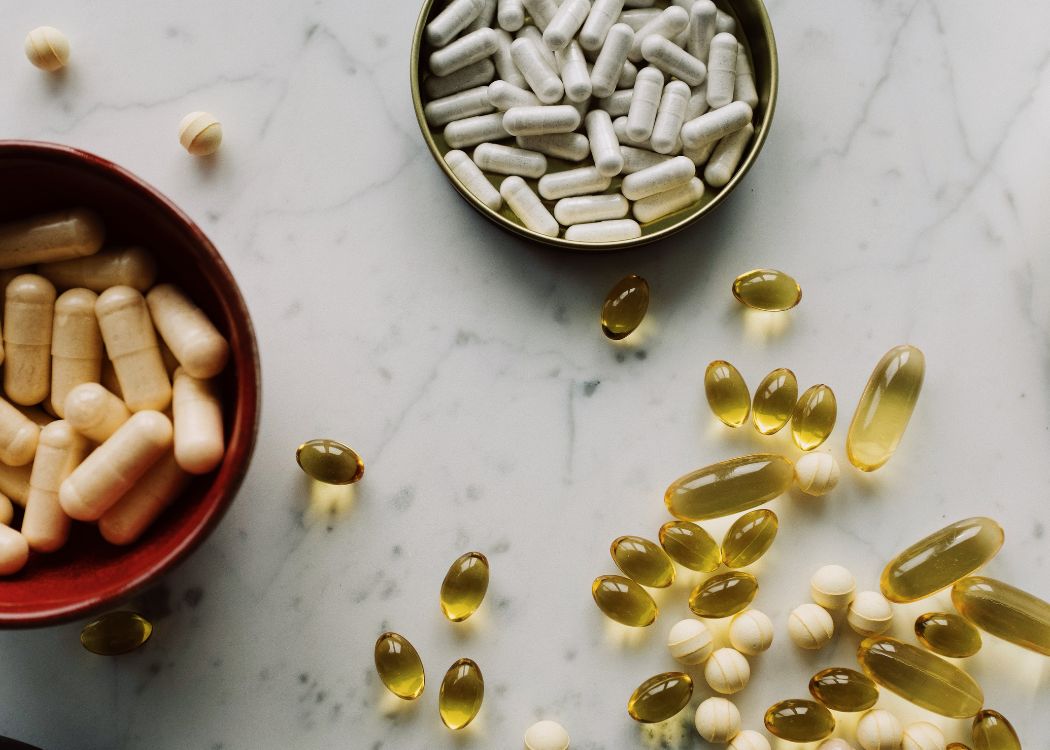
While vitamins are powerful, they work best when combined with healthy lifestyle habits. Energy is not just about what you consume—it’s also about how you live.
- Maintain a consistent sleep schedule
- Stay physically active with regular exercise
- Manage stress through mindfulness or relaxation techniques
- Stay hydrated throughout the day
These habits enhance the effectiveness of the best vitamins for energy, ensuring long-lasting results rather than temporary boosts.
FAQs About Best Vitamins for Energy
What is the most important vitamin for energy?
Vitamin B12 is often considered the most important because it directly impacts red blood cell production and oxygen transport. Without it, fatigue can set in quickly, making it one of the best vitamins for energy.
Can vitamins replace caffeine for energy?
Vitamins don’t provide instant stimulation like caffeine, but they support long-term energy production. Unlike caffeine, they help your body generate sustainable energy without crashes.
How long does it take for vitamins to improve energy levels?
It depends on the deficiency level. Some people notice improvements within a few days, while others may take weeks to experience the full benefits of the best vitamins for energy.
Are energy supplements safe to take daily?
Most vitamin supplements are safe when taken in recommended doses. However, excessive intake can cause side effects, so it’s best to follow guidelines or consult a healthcare professional.
Do multivitamins help with energy?
Yes, multivitamins can help fill nutritional gaps and support energy production. However, targeted vitamins like B12 or Vitamin D may be more effective if you have specific deficiencies.
Conclusion
Maintaining high energy levels isn’t about quick fixes—it’s about supporting your body from within. By focusing on the best vitamins for energy, you can address the root causes of fatigue and build a foundation for long-term vitality. Vitamins like B complex, Vitamin D, Vitamin C, and iron play a crucial role in helping your body convert nutrients into usable energy efficiently.
Read More:-What Is a Dangerous Low Blood Pressure for a Woman? Guide