Introduction
Cholesterol imbalance has become one of the most common health concerns in modern times, affecting people across age groups. Sedentary lifestyles, processed foods, and increasing stress levels have significantly contributed to rising cholesterol levels, which can eventually lead to serious heart-related complications. While conventional medicine offers quick and effective management through medications, many individuals are now exploring holistic alternatives that aim to address the root cause rather than just symptoms.
One such time-tested approach is ayurvedic medicine for cholesterol, which focuses on restoring balance within the body through natural herbs, diet, and lifestyle practices. Ayurveda does not isolate cholesterol as a single issue but connects it with overall metabolic health, digestion, and the harmony of bodily energies. This makes it a comprehensive and sustainable path to long-term well-being.
Understanding Cholesterol in Ayurveda
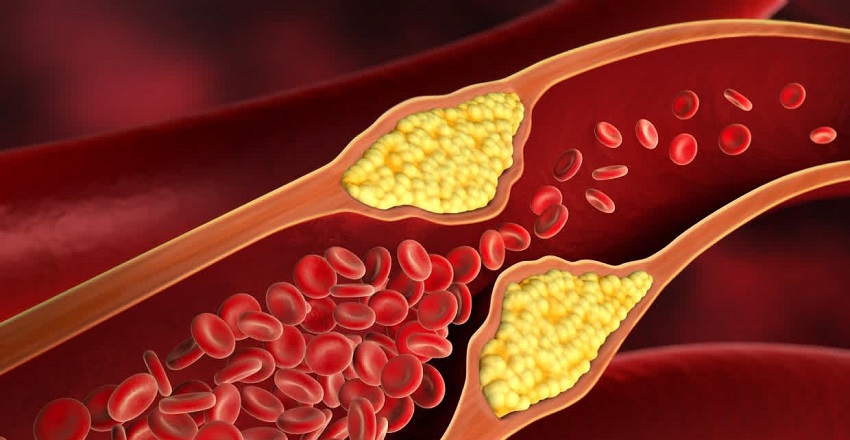
In modern science, cholesterol is a lipid necessary for various bodily functions, including hormone production and cell membrane formation. However, when levels become excessive—especially low-density lipoprotein (LDL)—it can accumulate in the arteries and increase the risk of cardiovascular diseases.
Ayurveda interprets this condition differently. It associates high cholesterol with an imbalance in Kapha dosha and the accumulation of Ama, a toxic byproduct of improper digestion. Instead of focusing only on reducing lipid levels, Ayurveda works to improve digestion (Agni), eliminate toxins, and restore balance across all systems.
The Role of Doshas and Metabolism
The three doshas—Vata, Pitta, and Kapha—govern all physiological processes in the body. Cholesterol imbalance is primarily linked to Kapha, which represents structure and stability. When Kapha becomes excessive, it leads to heaviness, sluggishness, and fat accumulation.
At the same time, weakened digestive fire (Agni) plays a crucial role. When digestion is inefficient, the body fails to properly process nutrients, leading to the formation of Ama. This toxic substance circulates through the bloodstream and blocks channels, contributing to lipid buildup.
Root Causes of High Cholesterol According to Ayurveda
Ayurveda places great emphasis on identifying the underlying causes of disease rather than merely treating symptoms. Cholesterol imbalance is often the result of multiple interconnected factors.
Poor Dietary Choices
Frequent consumption of oily, fried, and processed foods increases Kapha and contributes to fat accumulation. Excess sugar and refined carbohydrates further worsen metabolic imbalance, making it difficult for the body to maintain healthy lipid levels.
Sedentary Lifestyle
A lack of physical activity slows down metabolism and promotes weight gain. When the body remains inactive for long periods, fat metabolism decreases, leading to an increase in cholesterol levels.
Digestive Weakness
Weak digestion is considered one of the primary causes of toxin buildup. When food is not properly digested, it turns into Ama, which interferes with normal bodily functions and contributes to lipid imbalance.
Stress and Emotional Factors
Chronic stress affects hormonal balance and digestion. Ayurveda recognizes the connection between mind and body, emphasizing that emotional disturbances can directly impact physical health, including cholesterol levels.
How Ayurvedic Medicine Works for Cholesterol Management
The philosophy behind ayurvedic medicine for cholesterol revolves around a threefold approach: cleansing the body, strengthening digestion, and restoring doshic balance. This holistic method ensures that the root causes are addressed while improving overall health.
Detoxification (Shodhana)
Detoxification is a key component of Ayurvedic treatment. Therapies such as Panchakarma help remove accumulated toxins from the body, thereby improving metabolic efficiency and reducing lipid buildup.
Digestive Enhancement (Agni Deepana)
Improving digestive fire is essential for preventing the formation of Ama. Herbs and dietary changes are used to stimulate digestion, ensuring proper nutrient absorption and metabolism.
Balancing Kapha Dosha
Since cholesterol imbalance is often linked to Kapha, treatments focus on reducing its excess through light, warm, and easily digestible foods, along with herbs that enhance metabolism.
Powerful Herbs Used in Ayurvedic Medicine
Ayurveda offers a variety of herbs known for their ability to regulate cholesterol levels naturally. These herbs work synergistically to improve heart health and metabolic function.
Arjuna: The Heart Protector
Arjuna is one of the most revered herbs in Ayurveda for cardiovascular health. It strengthens heart muscles, improves circulation, and supports healthy cholesterol levels. Regular use of Arjuna bark powder or tea can enhance overall heart function.
Guggul: The Lipid Regulator
Guggul is widely recognized for its lipid-lowering properties. It helps reduce LDL cholesterol and triglycerides while promoting healthy metabolism. This makes it a cornerstone of ayurvedic medicine for cholesterol.
Garlic: Nature’s Detoxifier
Garlic is a powerful natural remedy known for its ability to lower cholesterol and improve blood circulation. It also has antioxidant properties that protect the heart from oxidative stress.
Triphala: The Gentle Cleanser
Triphala, a combination of three fruits, is known for its detoxifying and digestive benefits. It helps eliminate toxins from the body and supports healthy metabolism.
Fenugreek: The Metabolic Booster
Fenugreek seeds are rich in soluble fiber, which helps reduce cholesterol absorption in the intestines. They also aid in controlling blood sugar levels.
Turmeric: The Anti-Inflammatory Agent
Turmeric contains curcumin, which has strong anti-inflammatory and antioxidant properties. It supports liver function and helps maintain healthy cholesterol levels.
Comparison Table of Ayurvedic Herbs
| Herb | Primary Function | Additional Benefit | Best Form of Use |
|---|---|---|---|
| Arjuna | Supports heart health | Improves circulation | Powder or decoction |
| Guggul | Lowers LDL cholesterol | Detoxifies blood | Tablets |
| Garlic | Reduces cholesterol | Boosts immunity | Raw or capsules |
| Triphala | Improves digestion | Detoxifies body | Powder |
| Fenugreek | Reduces absorption of fats | Controls blood sugar | Seeds or powder |
| Turmeric | Anti-inflammatory | Supports liver health | Powder or milk |
Dietary Approach in Ayurveda
Diet plays a central role in maintaining healthy cholesterol levels. Ayurveda emphasizes consuming foods that are fresh, warm, and easy to digest.
Recommended Foods
Fresh fruits and vegetables, whole grains, and legumes form the foundation of a healthy diet. Warm, cooked meals are preferred over cold or processed foods, as they are easier to digest and help maintain Agni.
Foods to Avoid
Heavy, oily, and processed foods should be minimized. Excess sugar, refined carbohydrates, and red meat can contribute to lipid imbalance and should be consumed sparingly.
Lifestyle Practices for Cholesterol Control

Ayurveda strongly advocates for a balanced lifestyle to support overall health. Daily habits play a crucial role in maintaining cholesterol levels.
Physical Activity
Regular exercise helps improve metabolism and reduce excess fat. Activities like walking, yoga, and light workouts are highly recommended.
Yoga and Breathing Techniques
Yoga postures and pranayama help reduce stress and improve circulation. Practices such as Surya Namaskar and deep breathing are particularly beneficial.
Sleep and Recovery
Adequate sleep is essential for maintaining metabolic balance. Poor sleep can disrupt hormonal function and contribute to cholesterol imbalance.
Daily Routine for Better Results
Following a consistent daily routine enhances the effectiveness of Ayurvedic treatments.
Morning Habits
Starting the day with warm water and light exercise helps stimulate digestion and metabolism.
Midday Practices
Eating a balanced lunch and avoiding overeating supports proper digestion.
Evening Routine
A light dinner and relaxation techniques help prepare the body for restful sleep.
Home Remedies That Support Heart Health
Simple home remedies can complement Ayurvedic treatments and provide additional benefits.
Garlic Water
Consuming garlic with warm water helps lower cholesterol levels and improve circulation.
Turmeric Milk
Turmeric milk is known for its anti-inflammatory properties and supports overall heart health.
Fenugreek Water
Soaked fenugreek seeds can help reduce cholesterol absorption and improve digestion.
Scientific Evidence Supporting Ayurveda
Modern research has started to validate many Ayurvedic practices. Studies have shown that herbs like Guggul and garlic can effectively reduce cholesterol levels. Turmeric has also been widely studied for its anti-inflammatory properties.
Benefits of Choosing Ayurveda
Using ayurvedic medicine for cholesterol offers several advantages, including a holistic approach, fewer side effects, and improved overall health. It not only addresses cholesterol but also enhances digestion, immunity, and mental well-being.
Precautions to Consider
While Ayurveda is generally safe, it is important to consult a qualified practitioner before starting any treatment. Monitoring cholesterol levels and maintaining a balanced approach is essential.
Quick Tips
- Best herb: Guggul
- Daily habit: Exercise regularly
- Avoid: Processed foods
- Include: Warm, fresh meals
- Bonus: Practice yoga
FAQs
Can Ayurveda reduce cholesterol naturally?
Yes, it focuses on improving metabolism and removing toxins, which helps regulate cholesterol levels.
How long does it take to see results?
Results may vary, but noticeable improvements can be seen within a few weeks of consistent practice.
Is it safe to combine Ayurveda with modern medicine?
Yes, but it should be done under medical supervision.
Which herb is most effective?
Guggul is considered highly effective for managing cholesterol levels.
Conclusion: Embrace a Holistic Lifestyle
Choosing ayurvedic medicine for cholesterol is not just about taking herbs—it is about embracing a healthier way of life. By focusing on diet, lifestyle, and natural remedies, Ayurveda offers a sustainable path to heart health.
Consistency is key. Small changes in daily habits can lead to significant improvements over time. Begin your journey today by incorporating Ayurvedic principles into your routine and take a proactive step toward better health and well-being.
Read More:-Is Indian Cuisine Really Healthy for Everyday Modern Life?