Introduction
The internet is filled with health and fitness trends, but few have gained as much attention as the mewing exercise. From social media influencers to fitness enthusiasts, many people claim that this technique can improve facial structure, create a sharper jawline, and even enhance breathing patterns.
But what exactly is mewing? Is it scientifically proven? Can it really change your appearance? These are some of the most common questions people ask before trying this practice.
In this detailed guide, we’ll explore everything you need to know about the mewing exercise, including its origins, benefits, proper technique, common mistakes, myths, and realistic expectations.
What Is Mewing?
Mewing is a tongue-posture technique developed from the ideas of British orthodontist Dr. John Mew and later promoted by his son Dr. Mike Mew.
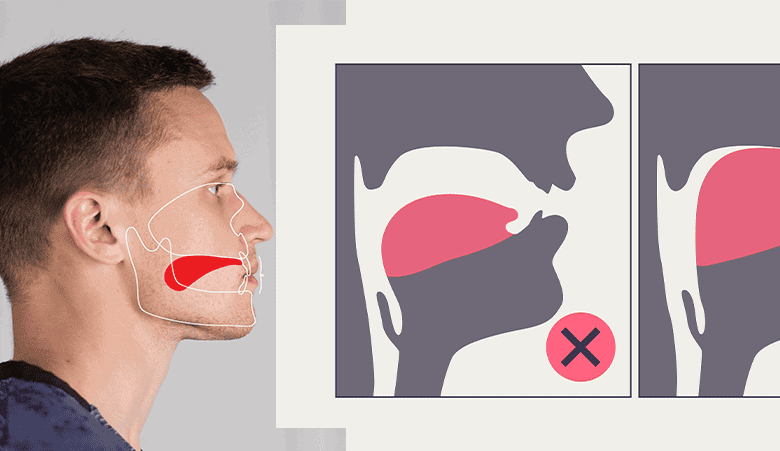
The concept is simple: instead of allowing the tongue to rest at the bottom of the mouth, the entire tongue should rest against the roof of the mouth. Supporters believe that maintaining this posture consistently may encourage better facial alignment and oral health over time.
Unlike workouts that require equipment or gym memberships, mewing focuses entirely on improving everyday oral posture.
Quick Definition
| Term | Meaning |
|---|---|
| Mewing | Proper tongue posture technique |
| Main Goal | Improve oral posture and facial alignment |
| Equipment Needed | None |
| Difficulty Level | Easy to Learn |
| Daily Practice | Continuous throughout the day |
| Suitable For | Most healthy individuals |
History Behind Mewing

The concept originated from observations regarding facial development and the influence of oral posture on jaw growth. According to proponents, modern lifestyles, soft diets, and poor breathing habits may contribute to weaker jaw structures and dental issues.
The theory suggests that proper tongue placement can help support natural facial development, particularly during childhood and adolescence when bones are still growing.
Today, millions of people discuss mewing online, making it one of the most searched facial-improvement techniques worldwide.
How Does Mewing Work?
The idea behind mewing is based on pressure and posture. The tongue is a strong muscle, and its resting position can influence the surrounding structures in the mouth.
When the tongue rests against the roof of the mouth:
- Nasal breathing may become easier.
- Oral posture improves.
- Neck posture often improves.
- Jaw positioning may feel more balanced.
- Facial muscles become more engaged.
The goal is not to push aggressively but to maintain gentle, consistent contact with the palate.
Correct Mewing Technique
Learning proper form is essential if you want to practice the mewing exercise correctly.
Step 1: Close Your Mouth
Keep your lips lightly sealed without clenching.
Step 2: Place the Tongue on the Roof of the Mouth
The entire tongue should touch the palate, not just the tip.
Step 3: Position the Tongue Tip
The tongue tip should rest slightly behind the upper front teeth.
Step 4: Breathe Through Your Nose
Nasal breathing is an important part of the process.
Step 5: Maintain Good Posture
Keep your head upright and shoulders relaxed.
Consistency matters much more than force.
Benefits Often Associated With Mewing
Many people begin practicing the mewing exercise because of its potential aesthetic and health-related benefits.
1. Improved Oral Posture
Good tongue posture can contribute to healthier oral habits and greater awareness of mouth positioning.
2. Better Nasal Breathing
Many practitioners report that focusing on tongue placement encourages nasal breathing instead of mouth breathing.
3. Enhanced Jawline Appearance
One of the most popular claims is that the technique can help create a more defined jawline over time.
4. Improved Head and Neck Alignment
Proper tongue posture often goes hand in hand with better overall posture.
5. Increased Facial Awareness
Practicing tongue placement helps people become more conscious of habits that may affect oral health.
Scientific Perspective on Mewing
Scientific evidence regarding mewing remains limited.
Researchers generally agree that oral posture can influence facial development during childhood. However, strong evidence supporting dramatic facial changes in adults from mewing alone is lacking.
Current scientific understanding suggests:
| Claim | Scientific Support |
|---|---|
| Better oral awareness | Moderate |
| Improved nasal breathing habits | Moderate |
| Major facial changes in adults | Limited |
| Better posture | Some support |
| Instant jawline transformation | Not supported |
This means that while some benefits may be realistic, expectations should remain reasonable.
Who Can Benefit Most?
Children and teenagers are often believed to experience the greatest impact because their facial bones are still developing.
Adults may still benefit from:
- Improved posture
- Better breathing habits
- Increased oral awareness
- Reduced mouth breathing
However, significant skeletal changes are less likely after facial growth is complete.
Common Mistakes Beginners Make
Many newcomers practice the mewing exercise incorrectly and become frustrated when they do not see results.
Pushing Too Hard
The tongue should apply gentle pressure rather than forceful pushing.
Touching the Teeth
The tongue tip should not press directly against the front teeth.
Clenching the Jaw
Your teeth should rest lightly together or slightly apart.
Mouth Breathing
Consistent nasal breathing is important.
Expecting Instant Results
Changes, if any occur, typically require months or years of consistent practice.
Mewing and Jawline Appearance
The connection between mewing and jawline definition is one reason for its popularity.
A well-defined jawline is influenced by several factors:
- Genetics
- Body fat percentage
- Bone structure
- Muscle tone
- Age
- Lifestyle habits
The mewing exercise may help improve posture and muscle engagement, but it cannot completely overcome genetic factors.
For many people, reducing excess body fat has a much larger impact on jawline visibility.
The Role of Nasal Breathing
Nasal breathing is often considered a key component of mewing.
Benefits of nasal breathing may include:
- Better air filtration
- Improved moisture retention
- Enhanced oxygen regulation
- Reduced mouth dryness
People who struggle with chronic nasal congestion should consult a healthcare professional before attempting major breathing changes.
Facial Muscles and Mewing
Facial appearance is influenced by numerous muscles surrounding the mouth, cheeks, and jaw.
Proper tongue posture may encourage healthier muscle balance throughout the lower face.
Some users notice:
- Better chin positioning
- Reduced forward-head posture
- Increased awareness of facial tension
These changes are often subtle rather than dramatic.
Mewing vs Jaw Exercises
Many people confuse mewing with jaw workouts.
Comparison Table
| Feature | Mewing | Jaw Exercises |
|---|---|---|
| Main Focus | Tongue posture | Jaw muscles |
| Equipment | None | Sometimes needed |
| Effort Level | Low | Moderate |
| Daily Practice | Continuous | Scheduled sessions |
| Goal | Oral posture | Muscle strengthening |
Both approaches target different aspects of facial function.
Can Adults See Results?

One of the most debated questions surrounding the mewing exercise is whether adults can experience visible changes.
The answer depends on what is meant by “results.”
Adults may notice:
- Better posture
- Improved breathing habits
- Enhanced facial awareness
- More balanced resting facial position
Major skeletal remodeling, however, is generally considered unlikely in fully developed adults.
How Long Does It Take?
Results vary significantly from person to person.
Factors include:
- Age
- Genetics
- Consistency
- Existing oral posture
- Overall health
Some individuals notice improved posture within weeks.
Visual facial changes, if they occur, often require months or years of consistent practice.
Daily Routine for Beginners
Here is a simple routine to build the habit.
Morning
Spend 5 minutes checking tongue position.
Throughout the Day
Maintain proper tongue posture whenever possible.
During Work or Study
Use reminders to avoid mouth breathing.
Evening
Review posture and breathing habits before bed.
The key is consistency rather than intensity.
Myths About Mewing
The internet contains many exaggerated claims.
Myth 1: It Changes Your Face in a Week
Facial structures do not transform that quickly.
Myth 2: Everyone Gets a Model Jawline
Genetics remain a major factor.
Myth 3: More Pressure Means Faster Results
Excessive force can create discomfort and is unnecessary.
Myth 4: It Replaces Orthodontic Treatment
Mewing is not a substitute for professional dental care.
Myth 5: Results Are Guaranteed
Individual outcomes vary greatly.
Safety Considerations
For most people, practicing proper tongue posture is safe.
However, you should seek professional guidance if you experience:
- Jaw pain
- Dental issues
- Breathing difficulties
- Temporomandibular joint discomfort
- Persistent oral discomfort
Health professionals can provide personalized advice.
Additional Habits That Support Facial Health
If your goal is overall facial wellness, combine the mewing exercise with healthy lifestyle practices.
Maintain Good Posture
Neck and spine alignment influence facial positioning.
Eat Nutritious Foods
Balanced nutrition supports overall health.
Stay Hydrated
Hydration benefits muscles and tissues throughout the body.
Exercise Regularly
Physical activity improves circulation and body composition.
Get Quality Sleep
Sleep plays a crucial role in recovery and appearance.
What Experts Say
Many dental and orthodontic professionals agree that oral posture matters.
However, most experts caution against expecting dramatic facial transformations from mewing alone.
The strongest support exists for:
- Proper tongue posture
- Nasal breathing
- Good oral habits
- Healthy posture
Extraordinary claims should be viewed critically.
Frequently Asked Questions (FAQs)
What is the main purpose of mewing?
The main purpose is to maintain proper tongue posture against the roof of the mouth to encourage healthier oral habits and breathing patterns.
Can mewing improve a jawline?
Some people report improvements in appearance, but results vary and are influenced by genetics, body fat, and overall facial structure.
How many hours should I mew each day?
The goal is to maintain proper tongue posture throughout the day as a natural resting position.
Is mewing safe?
For most healthy individuals, proper tongue posture is generally safe. Consult a healthcare professional if discomfort occurs.
Does mewing work for adults?
Adults may experience improvements in posture and breathing habits, though major skeletal changes are less likely.
Can children benefit more from mewing?
Because facial structures are still developing, younger individuals may experience greater influence from proper oral posture.
Does mewing require special equipment?
No. It relies entirely on tongue positioning and proper breathing habits.
Can mewing replace braces?
No. Orthodontic issues should be evaluated by qualified dental professionals.
Conclusion
The mewing exercise has become a popular topic because it offers a simple, no-cost approach to improving oral posture and breathing habits. While many online claims are exaggerated, maintaining proper tongue posture may contribute to better facial awareness, improved posture, and healthier breathing patterns.
It is important to approach mewing with realistic expectations. Significant facial transformations are not guaranteed, especially in adults. However, developing healthier oral habits can still provide meaningful benefits over time.
Rather than viewing mewing as a miracle solution, think of it as one component of a broader wellness strategy that includes good posture, proper nutrition, regular exercise, quality sleep, and professional dental care when needed. Consistency, patience, and realistic goals are the keys to getting the most from this practice.
Read More:-Natural Beauty Secrets for Healthy Skin and Hair Every Single Day