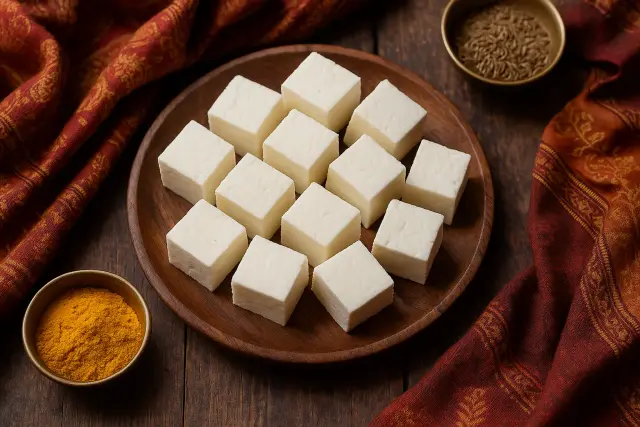
Paneer, often referred to as Indian cottage cheese, is a staple in many households across India. Whether it’s added to rich curries, grilled as a snack, or tossed into salads, paneer is loved for its versatility and delicious taste. But beyond its flavor, paneer is also widely appreciated for its nutritional value—especially its protein content.
If you’ve ever wondered how much protein in 100 gm paneer, you’re not alone. Fitness enthusiasts, vegetarians, and even health-conscious individuals often rely on paneer as a key protein source. In a country where vegetarian diets are common, paneer plays a vital role in meeting daily protein needs without relying on meat.
Understanding the exact protein content and nutritional benefits of paneer can help you make better dietary choices. In this article, we’ll explore everything you need to know—from the protein in paneer to its benefits, comparison with other protein sources, and how you can include it in your daily diet effectively.
How Much Protein in 100 gm Paneer?
When it comes to protein intake, paneer stands out as one of the best vegetarian options. To answer the core question—how much protein in 100 gm paneer—the typical value ranges between 18 to 21 grams of protein.
This amount can vary slightly depending on how the paneer is made. Homemade paneer, prepared from full-fat milk, usually contains around 18 grams of protein per 100 grams. Store-bought or low-fat paneer may have slightly different values due to processing methods and fat content adjustments.
Protein in paneer is considered “complete protein,” meaning it contains all essential amino acids required by the body. This makes paneer not just a protein-rich food, but also a high-quality protein source that supports muscle repair, growth, and overall body function.
Nutritional Breakdown of 100 gm Paneer
To better understand the value of paneer, let’s take a closer look at its overall nutritional composition.
| Nutrient | Amount (per 100 gm paneer) |
|---|---|
| Protein | 18–21 grams |
| Calories | 250–300 kcal |
| Fat | 20–25 grams |
| Carbohydrates | 1–2 grams |
| Calcium | 200–250 mg |
| Phosphorus | 130–150 mg |
This table highlights that paneer is not only rich in protein but also provides essential nutrients like calcium and healthy fats. When asking how much protein in 100 gm paneer, it’s important to remember that it also delivers multiple health benefits beyond just protein.

Why Paneer is a Great Protein Source
Paneer is particularly beneficial for vegetarians who often struggle to meet their daily protein requirements. Unlike many plant-based protein sources, paneer offers a higher protein density along with essential amino acids.
One major advantage of paneer is its slow digestion rate. This means the protein is released gradually into the bloodstream, helping maintain muscle mass and keeping you full for longer periods. This is especially useful for people aiming for weight management or muscle gain.
Additionally, paneer contains casein protein, which is known for its sustained absorption. This makes it an excellent option for consumption before bedtime, as it supports overnight muscle recovery.
Health Benefits of Paneer Protein
When discussing how much protein in 100 gm paneer, it’s equally important to understand how this protein benefits your body. Paneer is more than just a protein source—it contributes to overall health in several ways.
First, paneer supports muscle growth and repair. Whether you’re working out regularly or simply want to maintain muscle strength, the protein content in paneer helps rebuild muscle tissues effectively.
Second, paneer aids in weight management. Its high protein and fat content promote satiety, reducing unnecessary snacking and helping control calorie intake. This makes it a great addition to weight loss diets when consumed in moderation.
Third, paneer contributes to bone health. With its high calcium and phosphorus content, it strengthens bones and teeth, reducing the risk of osteoporosis over time.
Paneer vs Other Protein Sources
Many people compare paneer with other protein-rich foods to understand its effectiveness. While paneer is an excellent vegetarian option, it’s helpful to see how it stacks up against other sources.
- Paneer vs Eggs: Eggs contain around 13 grams of protein per 100 grams, which is lower than paneer.
- Paneer vs Chicken: Chicken breast has about 27 grams of protein, making it higher, but paneer remains the top vegetarian alternative.
- Paneer vs Lentils: Lentils offer about 9 grams of protein, significantly less than paneer.
From this comparison, it’s clear that if you’re asking how much protein in 100 gm paneer, the answer places paneer among the top vegetarian protein sources available.
Types of Paneer and Protein Variation
Not all paneer is created equal. The protein content can vary depending on the type of milk used and the preparation method.
Full-Fat Paneer
Made from whole milk, this type is rich in both protein and fat. It typically contains around 18 grams of protein per 100 grams and is ideal for those looking to gain weight or build muscle.
Low-Fat Paneer
Prepared from skimmed milk, low-fat paneer may contain slightly higher protein concentration (around 20–21 grams) due to reduced fat content. It is a better choice for those aiming for weight loss.
Homemade Paneer
Homemade paneer often retains more natural nutrients and provides a balanced protein content. It’s also free from preservatives, making it a healthier option overall.
Best Ways to Include Paneer in Your Diet
Knowing how much protein in 100 gm paneer is useful, but incorporating it effectively into your diet is equally important. Paneer can be used in a variety of dishes, making it easy to consume regularly without getting bored.
You can add paneer to breakfast by including it in stuffed parathas or sandwiches. For lunch or dinner, paneer curries, stir-fries, or grilled dishes work perfectly. Even snacks can be made healthier by opting for roasted paneer cubes instead of fried foods.
- Add paneer cubes to salads for a protein boost
- Use paneer in wraps or rolls for a filling meal
- Grill paneer with spices for a healthy snack
- Mix paneer into scrambled dishes like bhurji
These simple additions ensure that you get enough protein daily without drastically changing your diet.
Is Paneer Good for Weight Loss?
Paneer can be both beneficial and tricky for weight loss, depending on how you consume it. While it is high in protein—which helps in reducing hunger—it is also high in fat, especially full-fat versions.
If you’re trying to lose weight, opting for low-fat paneer is a smarter choice. It allows you to enjoy the benefits of protein without excessive calorie intake. Portion control is also crucial; even though you know how much protein in 100 gm paneer, consuming large quantities can lead to excess calorie consumption.
When eaten in moderation and paired with a balanced diet, paneer can support weight loss goals effectively.

FAQs
How much protein in 100 gm paneer exactly?
Typically, 100 grams of paneer contains between 18 to 21 grams of protein. The exact amount depends on whether it is full-fat or low-fat paneer and how it is prepared.
Is paneer better than eggs for protein?
Paneer contains more protein per 100 grams compared to eggs. However, eggs are lower in calories and fat, so the better option depends on your dietary goals.
Can I eat paneer daily for protein?
Yes, paneer can be consumed daily in moderate amounts. It’s a great way to meet protein requirements, especially for vegetarians, but portion control is important due to its fat content.
Does cooking paneer reduce its protein content?
Cooking paneer does not significantly reduce its protein content. However, deep frying can increase calorie content, so healthier cooking methods like grilling or sautéing are recommended.
Is paneer good for muscle building?
Yes, paneer is excellent for muscle building because it contains casein protein, which supports muscle repair and growth over a longer duration.
Conclusion
Understanding how much protein in 100 gm paneer helps you appreciate its value as a powerful vegetarian protein source. With approximately 18–21 grams of protein per 100 grams, paneer is an excellent addition to a balanced diet, especially for those who do not consume meat.
Read More:- How to Make Detox Water at Home for Better Health Daily