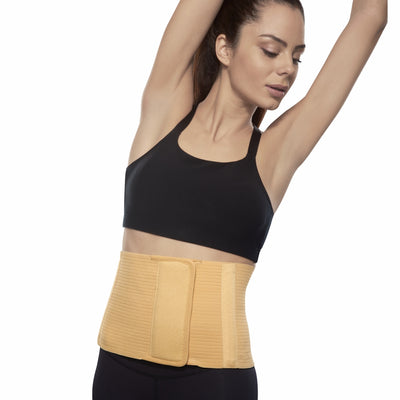
Strong ankles form the foundation of everyday movement whether walking, running, or playing sports. When ankles are healthy, they help protect the knees, hips, and lower back from extra strain. But all too often, ankle pain or injury is ignored until it becomes a chronic problem. In both young and older adults, prioritizing ankle health today can make a difference in maintaining mobility and avoiding complications like arthritis later in life.
Why Ankle Health Matters for Everyone – Especially Women
Ankle sprains and injuries are among the most common musculoskeletal issues worldwide. Research shows that females experience ankle sprains more often than males, with higher incidence rates reported in sports and daily activities alike. In fact, studies indicate women have nearly double the occurrence of ankle sprains compared with men during similar exposures.
The reasons behind this may include differences in ligament strength, body mechanics, and hormonal factors that influence joint flexibility. Women are also more likely to sustain foot and ankle injuries across various sports and active lifestyles, highlighting the need for targeted injury prevention strategies.
Healthy ankles help:
- Maintain balance and stability
- Reduce strain on nearby joints
- Prevent repeated sprains and chronic pain
- Support lifelong mobility and activity
Protecting ankle health now helps lower the risk of long-term joint wear, inflammation, and early-onset arthritis.
Types of Ankle Support and How They Help
Choosing the right ankle support depends on your activity level, injury history, and overall ankle strength. Here’s a quick breakdown:
Ankle Support Bands
Light compression sleeves or elastic bands wrap around the ankle to enhance blood flow and reduce mild swelling. They are ideal for:
- Mild sprains or discomfort
- Daily walking and light activity
- Extra stability during workouts
Ankle Braces
Structured braces add more stability and limit excessive ankle movement. They help prevent rolling and twisting common causes of sprains. Ankle Braces are especially useful for :
- Recovery after a sprain
- Sports with quick changes in direction
- People with weak or previously injured ankles
Rigid or Hinged Support
These provide firm stabilization and are recommended in rehabilitation or after ligament injuries. They offer the most protection but may feel more restrictive.
Supporting Recovery and Long-Term Avoidance of Injury
Ankle support is not a replacement for strength and balance training, but when used correctly, it can significantly lower injury risk. Compression and stabilization help:
- Reduce swelling and promote healing
- Improve proprioception (body awareness)
- Encourage safe movement patterns during activity
- Boost confidence when returning to sports
For those seeking reliable orthopedic support, Ankle Supports and Braces from brands like VisscoNext are designed with medical-grade stabilization, breathable comfort, and adaptive fit in mind making them suitable for both preventive use and recovery after injury.
Tips for Stronger Ankles and Better Joint Health
To help your ankles stay resilient over time:
- Strengthen musclesaround the ankle (e.g., calf and shin muscles)
- Practice balance exercisesto reduce risk of sprains
- Wear proper footwearfor your activity
- Use ankle support during high-risk activities
- Avoid sudden increasesin intensity when exercising
Maintaining ankle strength and stability can reduce the risk of later complications such as persistent pain, joint instability, and early arthritis.
Conclusion: Moving Forward with Confidence
Ankle health deserves attention at every age, and choosing the right support can make a real difference. Whether you’re an athlete, active adult, or enjoying daily life, the right products help keep your ankles stable and pain-free. Investing in VisscoNext Ankle Supports and Braces provides dependable stability and comfort, helping you stay active and protect your joints well into the future.