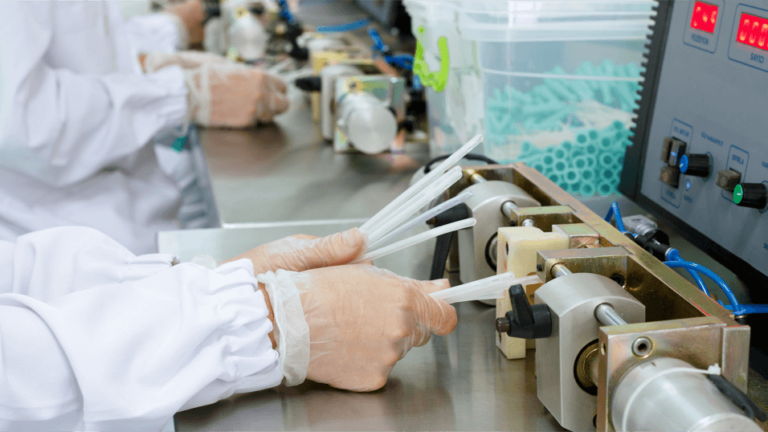
In modern surgery, innovation in medical instruments plays a critical role in improving patient outcomes and procedural efficiency. A medical device manufacturer is essential in designing, testing, and delivering these tools, ensuring they meet the highest standards of safety and performance. Separately, devices Optimised for LAR (Low Anterior Resection) address specific surgical needs in colorectal procedures, providing precision, accessibility, and consistent staple formation in anatomically challenging areas.
This article explores the importance of specialized surgical instruments, the role of manufacturers in advancing technology, and how LAR-optimised devices enhance colorectal surgical outcomes.
The Importance of Specialized Devices in Modern Surgery
Surgical procedures, particularly colorectal operations, demand instruments that are reliable, ergonomic, and tailored to the anatomy being treated. Key benefits of specialized devices include:
- Enhanced procedural precision
- Reduced operative time
- Minimized intraoperative complications
- Consistent tissue closure and hemostasis
By working closely with clinicians, a medical device manufacturer ensures that these tools meet the needs of complex procedures such as LAR.
Understanding LAR (Low Anterior Resection)
Low Anterior Resection (LAR) is a colorectal surgery procedure commonly performed to remove tumors from the rectum while preserving anal sphincter function. The operation requires:
- Precise transection of rectal tissue
- Secure anastomosis to restore bowel continuity
- Access to deep pelvic spaces with limited visibility
Devices Optimised for LAR are engineered to meet these challenges, offering surgeons improved maneuverability, controlled staple deployment, and reliable closure.
Role of a Medical Device Manufacturer in Surgical Innovation
A medical device manufacturer plays a pivotal role in developing instruments that are safe, effective, and clinically relevant.
Core Responsibilities
- Research & Development
Identifying clinical needs and translating them into innovative solutions. - Engineering & Prototyping
Designing devices for precision, ergonomics, and surgical efficiency. - Regulatory Compliance
Ensuring devices meet global standards such as FDA, CE, and ISO. - Quality Assurance & Testing
Conducting rigorous mechanical and functional evaluations. - Clinical Collaboration & Training
Providing education and support to optimize surgical outcomes.
Through these activities, manufacturers enable surgeons to adopt advanced tools like LAR-optimised staplers with confidence.
Features of Devices Optimised for LAR
Devices specifically Optimised for LAR offer several clinical and ergonomic advantages:
1. Compact Design for Deep Pelvic Access
The deep pelvis is a confined space; staplers and instruments designed for LAR are angled and slim to navigate these areas efficiently.
2. Precise Staple Formation
Uniform staples ensure secure anastomosis, reducing the risk of leaks and improving healing.
3. Ergonomic Handling
Handles and controls reduce surgeon fatigue, particularly during prolonged procedures.
4. Multi-Row Staples
Multiple rows provide redundancy and stronger tissue closure, critical in rectal surgery.
5. Compatibility with MIS and Robotic Platforms
Modern LAR-optimised devices are adaptable for laparoscopic and robotic procedures, supporting minimally invasive approaches.
Advantages of Using LAR-Optimised Devices
- Improved Surgical Precision: Access to difficult pelvic angles is enhanced.
- Reduced Risk of Anastomotic Leakage: Uniform staple lines promote safe closure.
- Faster Recovery Times: Less tissue trauma and minimal invasiveness support quicker recovery.
- Enhanced Workflow Efficiency: Ergonomic devices allow smoother and faster procedures.
By integrating these advantages, surgeons achieve better patient outcomes with greater procedural confidence.
Clinical Applications Beyond LAR
While specifically designed for Low Anterior Resection, LAR-optimised devices are versatile for other colorectal and pelvic surgeries:
- Anterior resection for rectal cancer
- Rectosigmoid resections
- Deep pelvic reconstructions
- Minimally invasive colorectal procedures
Their design ensures broad usability in complex surgical scenarios.
Innovations by Medical Device Manufacturers
Medical device manufacturers continue to innovate to improve surgical efficiency and safety. Key trends include:
1. Powered Stapling Systems
Automated firing reduces manual variability and improves consistency in staple formation.
2. Angled and Flexible Staplers
Enhanced navigation through confined or curved anatomy improves access and precision.
3. Feedback-Enabled Devices
Integrated sensors confirm tissue compression and complete firing, reducing technical errors.
4. Advanced Materials
Biocompatible staples and instruments support tissue healing and reduce inflammatory response.
These innovations directly enhance procedures like LAR by addressing anatomical challenges and promoting secure tissue closure.
Training and Implementation Considerations
Proper training ensures optimal outcomes when using LAR-optimised devices:
- Understanding tissue thickness and compression requirements
- Correct device placement in deep pelvic regions
- Mastering firing techniques with angled or powered staplers
- Utilizing feedback systems effectively during MIS or robotic surgery
Manufacturers often provide workshops, simulation labs, and in-OR proctoring to facilitate skill acquisition.
Safety and Regulatory Compliance
High-quality devices are subject to rigorous standards:
- ISO 13485 – Medical device quality management
- FDA 21 CFR Part 820 – U.S. regulatory compliance
- CE Marking – European standards
- ISO 14971 – Risk management
Compliance ensures that instruments are safe, reliable, and effective in clinical practice.
Future Directions in LAR-Optimised Instrumentation
Emerging innovations for LAR-optimised devices include:
- AI-assisted firing for precise staple placement
- Robotic integration for enhanced control in MIS
- Smart staplers that adjust force based on tissue characteristics
- Minimally invasive tools for ultra-deep pelvic access
These advancements continue to reduce operative risk, improve recovery, and optimize surgical precision.
Conclusion
Specialized surgical instruments play a critical role in modern colorectal surgery. The expertise of a medical device manufacturer ensures that these devices meet rigorous quality, safety, and functional standards. Meanwhile, devices Optimised for LAR provide surgeons with the precision, access, and reliability needed to perform complex pelvic surgeries with confidence.